

Coimbra, One of Europe’s Oldest Universities
Explore the University of Coimbra, Portugal’s oldest university, with its history, student traditions, and UNESCO heritage.
Located in the heart of Portugal, the charming city of Coimbra is home to one of the most prestigious and oldest academic institutions in Europe: the University of Coimbra! Founded in 1290 by King D. Dinis, it is not only the oldest university in Portugal but also one of the oldest in Europe. Classified as a UNESCO World Heritage Site since 2013, the university embodies academic excellence, tradition, and, above all, Portuguese culture.
History and Legacy
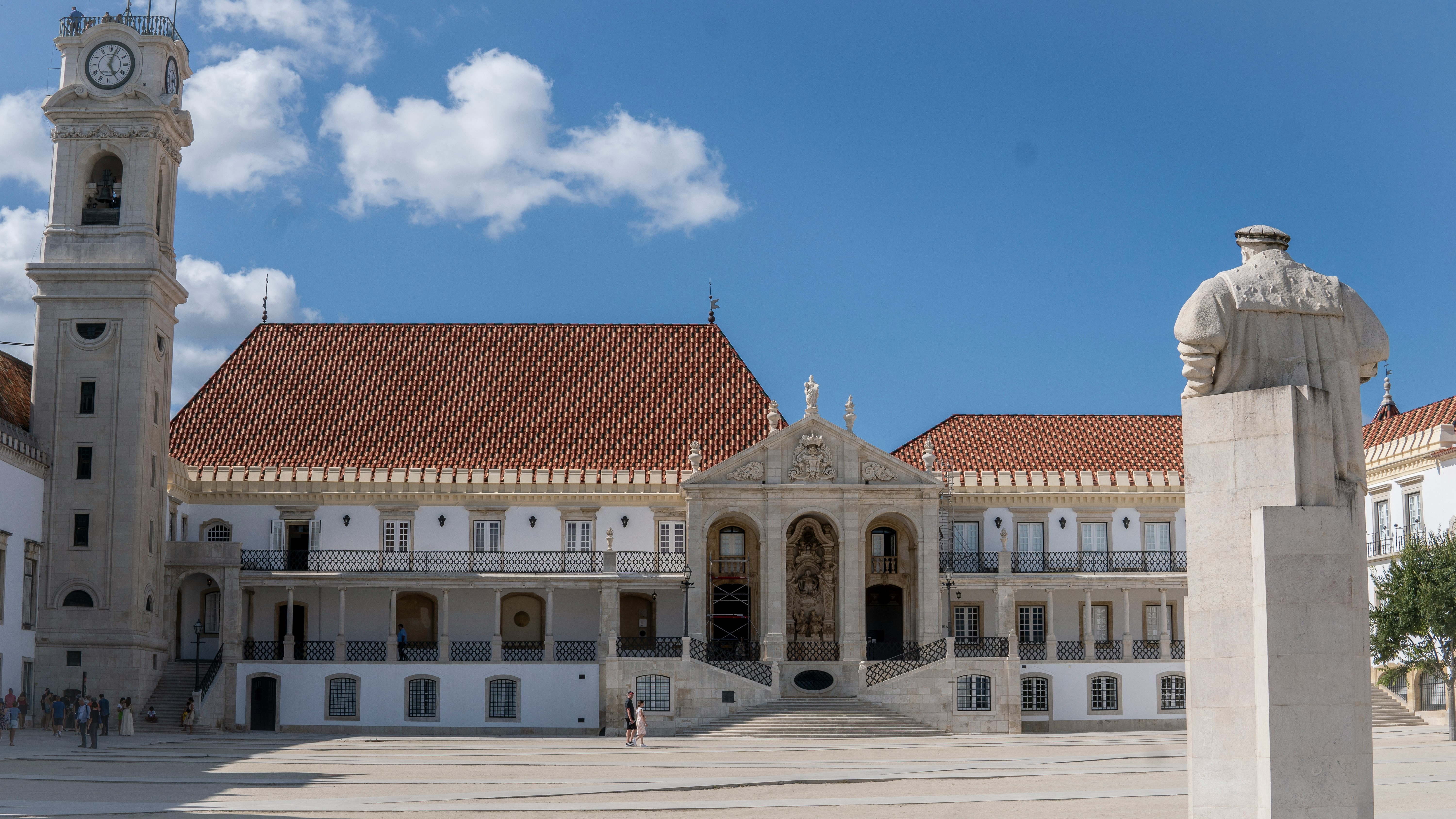
The University of Coimbra was established in 1290 as a Studium Generale by King D. Dinis, following a Papal Bull issued by Pope Nicholas IV. Initially located in Lisbon, the university was transferred to Coimbra in 1308 and permanently installed in the Paço das Escolas (Palace of the Schools) in 1537, a former royal palace. This historic campus is renowned for its Baroque and Neoclassical architecture.
A Centre of Academic Excellence
The University of Coimbra offers a wide range of courses, from humanities and social sciences to exact sciences and health. It is recognised for its excellence in multiple scientific fields and ranks among the top 500 universities worldwide (according to the Shanghai Ranking). It has also received a 5-star rating from QS Stars University Ratings in innovation, research, internationalisation, facilities, and inclusivity.
Student Traditions, Between Folklore and Modernity
The “capa e batina”, Traditional Academic Dress
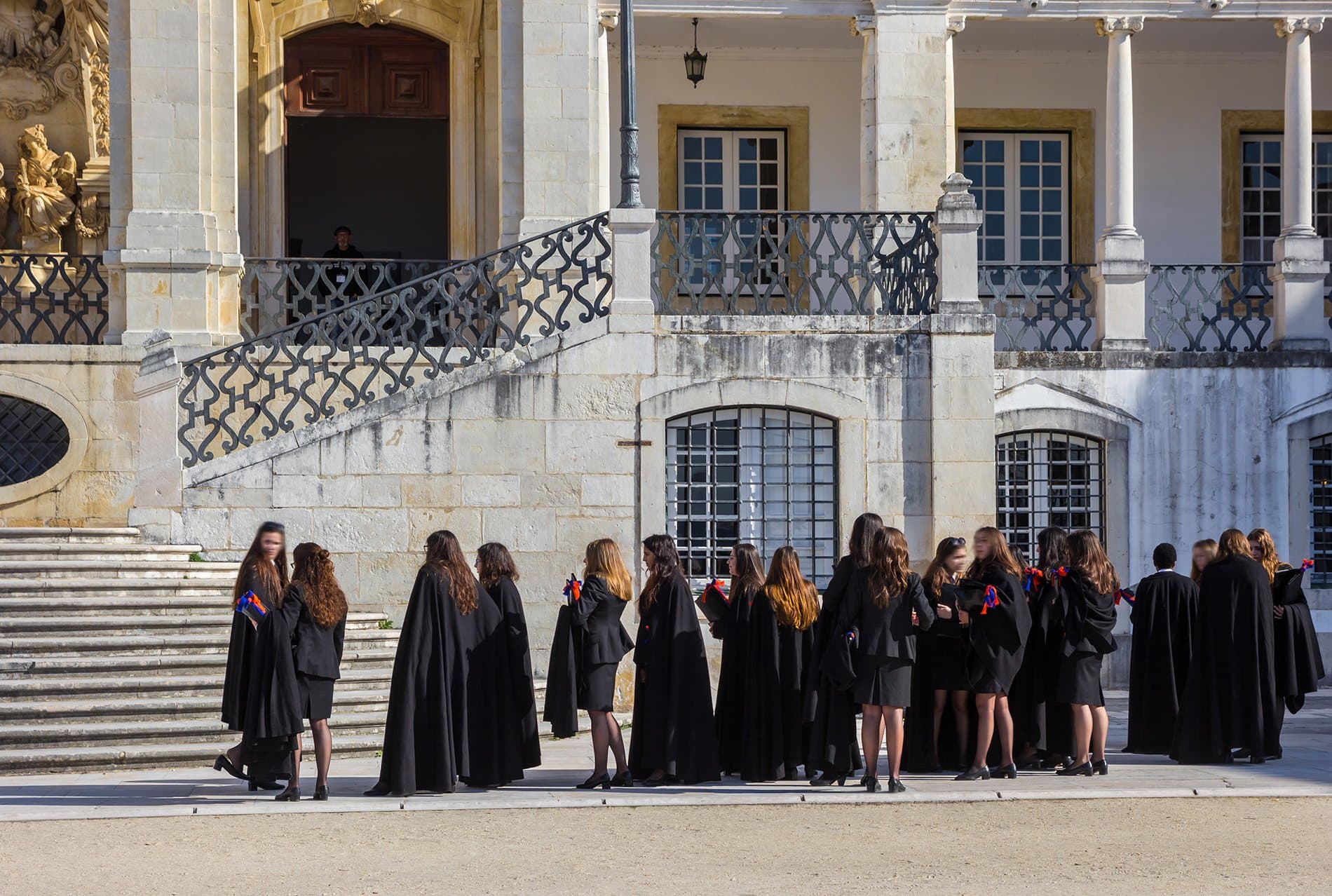
One of the most emblematic traditions at the University of Coimbra is wearing the capa e batina, a black academic outfit composed of a cloak and gown. This custom, dating back nearly 500 years, is worn during official ceremonies and special events, symbolising the unity and identity of the university community. Visitors may spot students wearing this attire around the campus.

Queima das Fitas, Graduation Festival
The Queima das Fitas (Burning of the Ribbons) is Portugal’s largest and oldest student festival! Held annually in May, it marks the completion of studies for graduates. During the week-long celebration, students parade through Coimbra’s streets in their academic gowns with coloured ribbons (“fitas” in portuguese) representing their faculty. The festival culminates in a nighttime parade and a fado serenade in front of the city’s old cathedral, providing a spectacular and unforgettable experience.
The “repúblicas”, Student Houses
The repúblicas are traditional student residences in Coimbra, often located in historic buildings and collectively managed by students. Each república has its own rules, customs, and rituals, enriching the city’s student folklore. They are somewhat comparable to fraternities or sororities in other countries.
©miriam-pereira-unsplash
Must-See Highlights at the University of Coimbra
Paço das Escolas
The historical heart of the university, housing iconic buildings such as the University Tower and the Salão Nobre. During our last visit, students dressed in their academic uniforms were gathered in that part of the university, and it instantly reminded us of a few scenes from the Harry Potter films, all that was missing were the magic wands !
Joanina Library
A magnificent 18th-century Baroque library, UNESCO World Heritage-listed, containing thousands of ancient manuscripts.
Salão Nobre (Great Hall)
Venue for official ceremonies with opulent décor and exceptional acoustics.
Botanical Garden
An 18th-century garden offering panoramic views of the city and the Mondego River.
Practical Tips for Visitors
Guided Tours : to fully appreciate the university’s history and traditions, it is recommended to join a guided tour, bookable on-site or online.
Opening Hours : most university buildings are open to the public, though some may close during exams or academic holidays.
Events : visiting Coimbra in May ? Don’t miss the famous Queima das Fitas, a unique insight into Portuguese student culture.
Accessibility : Coimbra is well-served by public transport, and the university campus is easily reachable on foot from the city centre.
The University of Coimbra is far more than just a higher education institution ! It is a living testament to Portugal’s history, a centre of knowledge and culture, and a symbol of the vitality of Portuguese youth. Whether you are a student, a history enthusiast, or a visitor, immersing yourself in Coimbra’s academic world promises an unforgettable experience.
Share this article
Suggested articles
Sanctuary of Bom Jesus do Monte
Perched high above Braga, in the parish of Tenões, the Sanctuary of Bom Jesus do Monte is a place where devotion, spectacular architecture, and breathtaking views come together! This iconic site of northern Portugal has been recognised as a UNESCO World Heritage site since 2019. We’ll guide you through all the practical details, local anecdotes, and insider tips to make the most of your visit.
Braga, City of Archbishops
In the heart of the Minho region, nestled between green hills and cobbled streets, lies Braga, a city where history and modernity meet harmoniously. Indeed, nicknamed the “Rome of Portugal”, Braga is the seat of the Portuguese Catholic Church and one of the oldest cities in the country! It is also a European Capital of Culture, a title highlighting its exceptional cultural dynamism.
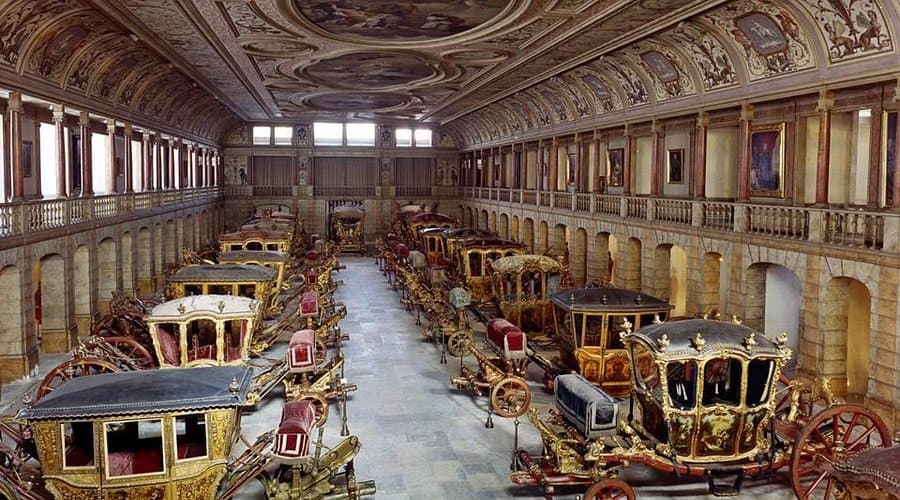
The Unusual Museums of Portugal
When we think of museums, we often imagine long silent halls, paintings we look at without daring to speak, and guards following us out of the corner of their eye. But in Portugal, museums have an entirely different flavour. Here, they sometimes smell of the sea, of polished wood, of aged leather… and even of grilled sardines ! From north to south, the country is full of quirky, playful, sometimes slightly eccentric museums that tell its story in their own way. Forget the clichés : make room for curiosity, creativity, a touch of fantasy, and above all, some really fun outing ideas !
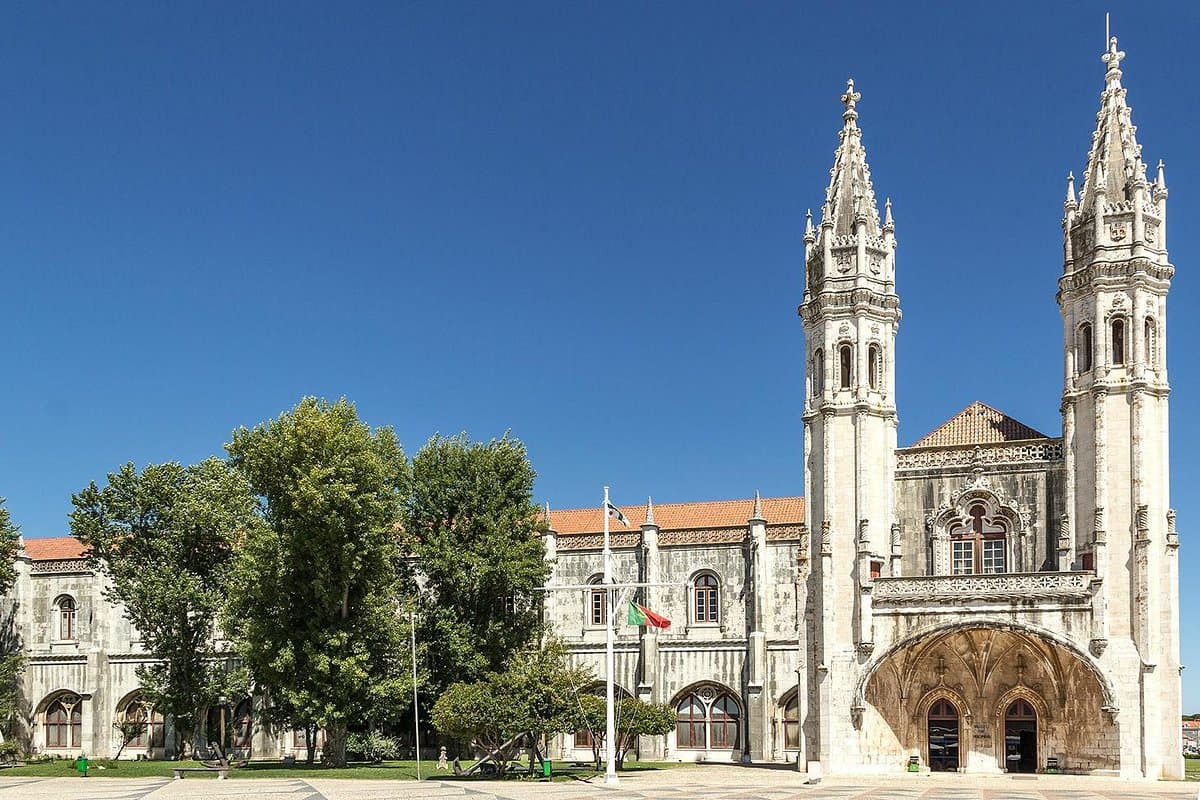
Maritime Museum in Belém, The Soul of Portuguese Navigators
On the banks of the Tagus River, near the historic Belém Tower in Lisbon, lies a place that transports visitors to the heart of Portugal’s great maritime adventures : the Maritime Museum (“Museu da Marinha” in Portuguese).
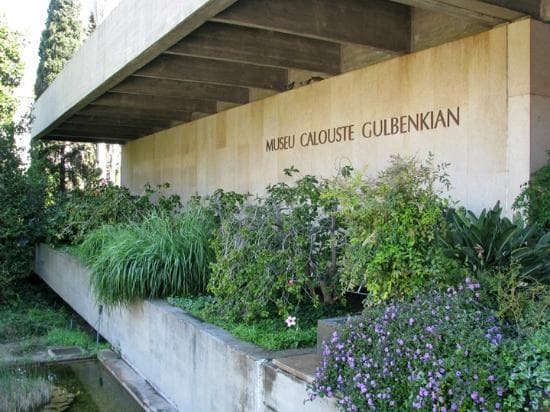
The Calouste Gulbenkian Museum : Lisbon’s Hidden Masterpiece
In the heart of a quiet Lisbon district, away from the hustle and bustle of the city centre, lies a treasure often overlooked : the Calouste Gulbenkian Museum! A true gem for art lovers (and not only them), this place is often described as a “hidden masterpiece”, as its richness far exceeds its sober appearance and discreet location…
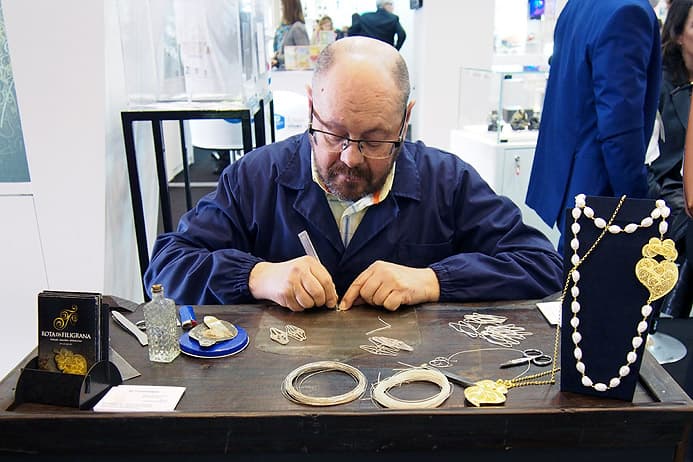
Filigree Art, Portuguese Gold and Silver Jewellery
Portugal boasts a rich artisanal heritage, and among its treasures, filigree art shines for its finesse, delicacy, and timeless elegance ! Filigree is an ancestral jewellery technique that involves working gold or silver into extremely fine threads to create intricate patterns.