
Bordallo Pinheiro, when earthenware becomes pop art
Let’s be honest : when we think of earthenware, we often picture grandma’s plates or slightly dusty trinkets sitting in a heavy oak cabinet. And yet… in Portugal, one brand has managed the impossible, turning ceramics into something cool, stylish, and downright irresistible. Its name ? Bordallo Pinheiro. Yes, that name, which sounds almost like a fado chorus remixed by a good modern DJ, hides a fascinating story, a little eccentric, a lot artistic, and unmistakably Portuguese.
The legacy of an artist like no other
To understand Bordallo Pinheiro’s DNA, we have to go back to the 19th century, when Rafael Bordallo Pinheiro, caricaturist, painter, ceramist, and free spirit before his time (yes, all of that !), decided to transform earthenware into an artistic language.
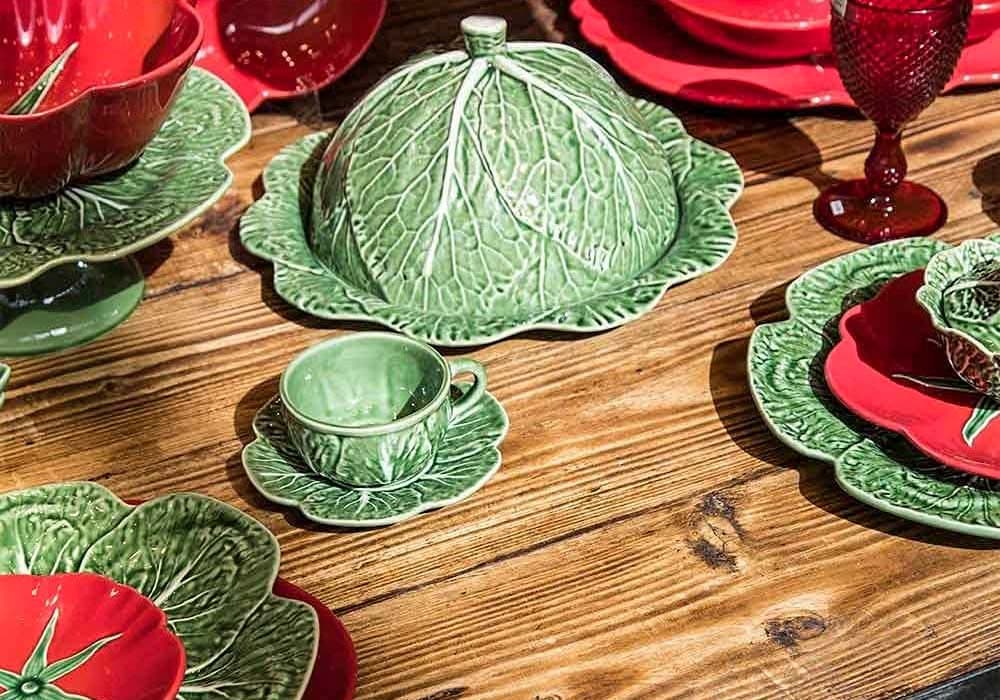
It was 1884, in Caldas da Rainha (north of Lisbon). The man, as famous for his humor as for his talent, founded a ceramics factory that would soon become legendary! He created pieces that were both realistic and whimsical : cabbages, fish, frogs, sardines, lemons, watermelons, even chili peppers, all made in glossy, colorful ceramic. Yes, you read that right : cabbages. And yet, his creations became icons. Because he dared. And because he understood, long before anyone else, that beauty could be found in the everyday (a visionary, wasn’t he ?).
His style ? Ironic, lively, full of self-deprecating humor. His universe ? A mix of nature, wit, and almost poetic attention to detail. In short, Bordallo Pinheiro was the kind of artist who would probably be posting artsy Reels on Instagram if he were alive today (and honestly, he’d probably get more likes than my holiday photos !).

The rebirth of a legend
After decades of existence, the brand went through its share of highs and lows (like all great families, right?). But everything changed in 2009, when the Vista Alegre Atlantis group (yes, the Portuguese porcelain giant!) acquired Bordallo Pinheiro.
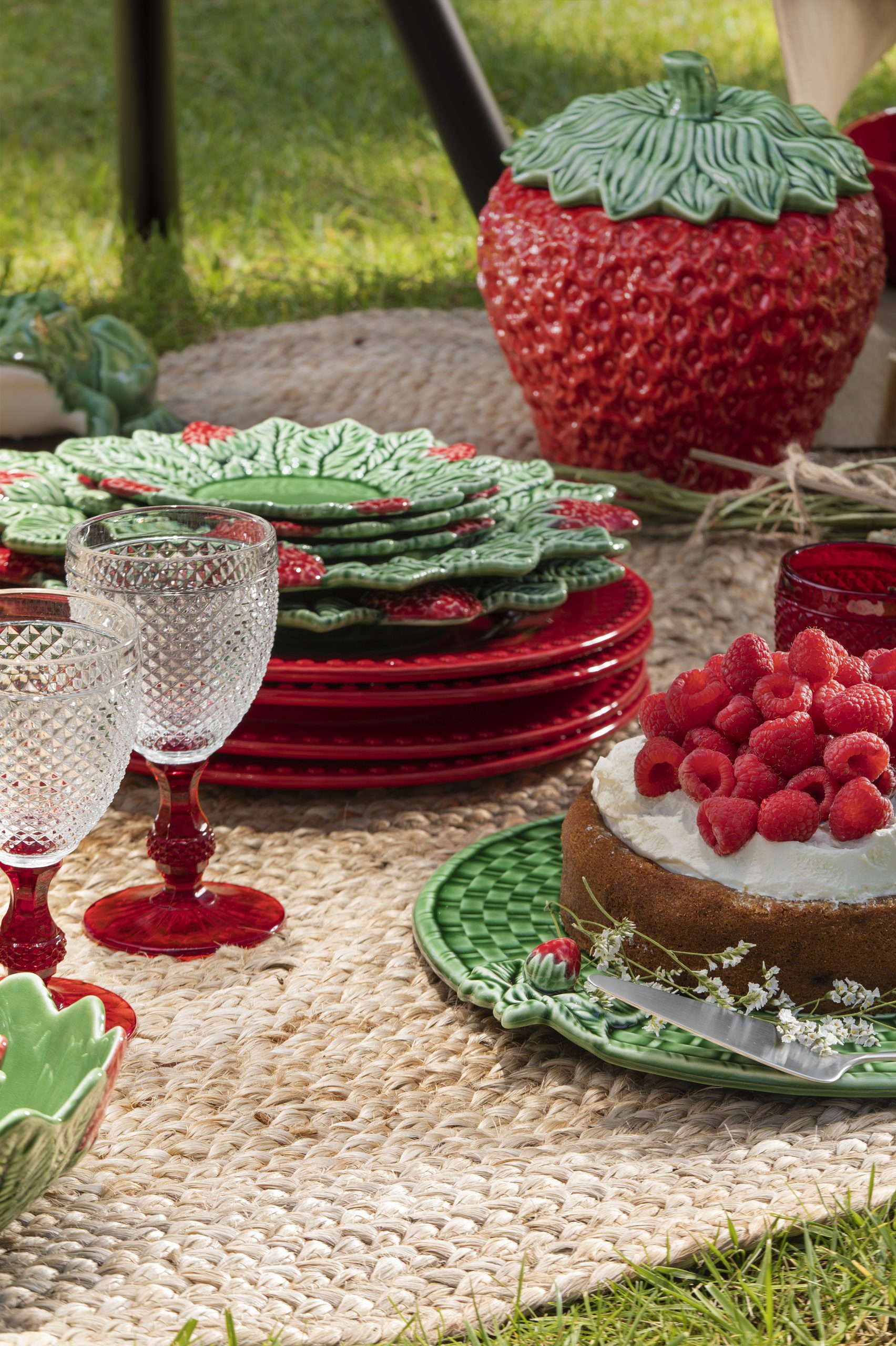
And then, magic : tradition + innovation = rebirth. The brand modernized without losing its soul. Classic pieces were reimagined with pop colors, bolder shapes, and that little contemporary twist that changes everything. The iconic green cabbages now sit alongside flashy strawberries, zesty lemons, giant mushrooms, and even collections inspired by biodiversity.
All still handcrafted, with the kind of craftsmanship that pays tribute to Portuguese artisans. Each piece is a small work of art, somewhere between kitsch and poetry.
From Caldas da Rainha to tables around the world
Today, Bordallo Pinheiro is a symbol of Portuguese design, displayed in galleries, sold in concept stores, and proudly featured in the world’s finest hotels and restaurants. Michelin-starred chefs serve their dishes on Bordallo plates, interior designers use them as chic, playful finishing touches, and on Instagram, Bordallo tables have become a must for design lovers (and for those who love a well-styled brunch). It’s a bit like grandma’s cabbages redesigned by a fashion stylist, both vintage and incredibly trendy.
Everyday art, with a wink
What we love about Bordallo Pinheiro is its ability to make the ordinary extraordinary. To make people smile, to surprise, to remind us that design doesn’t have to be cold or elitist. Here, everything is in the detail : a texture, a shine, a playful exaggeration… And above all, that typically Portuguese sense of humor — the kind that lets a plate tell a story.
In a world where everything is disposable, owning a Bordallo Pinheiro piece is like saying : “I choose beauty, durability, and a touch of boldness.” Yes, because these pieces are high quality, and made to last.
A living, breathing heritage
Even today, the workshops in Caldas da Rainha operate just as they did in Rafael Bordallo Pinheiro’s time : every piece is molded, glazed, and painted by hand. No assembly lines, nothing mechanical. Just real material, human touch, and passion. And that’s probably what makes this brand so endearing : it has kept its humanity, its gentle eccentricity, and its authenticity. So yes, Bordallo Pinheiro is about cabbages, fish, and fruits made of earthenware. But above all, it’s a lesson in creativity and identity, a reflection of a Portugal that dares, that laughs, that celebrates its culture without taking itself too seriously (and it works!).
So if you come across a plate shaped like a leaf, a fish with a cheeky grin, or a pumpkin-shaped soup tureen, don’t laugh too quickly, you’re looking at an icon ! And next time you host friends for dinner, imagine their faces when you serve tapas in a giant strawberry bowl… signed Bordallo Pinheiro.
Believe me, it’s not just tableware.
It’s art.
And it’s Portugal, in pop version!
Share this article
Suggested articles
Serralves in Porto, Contemporary Art in a Green Haven
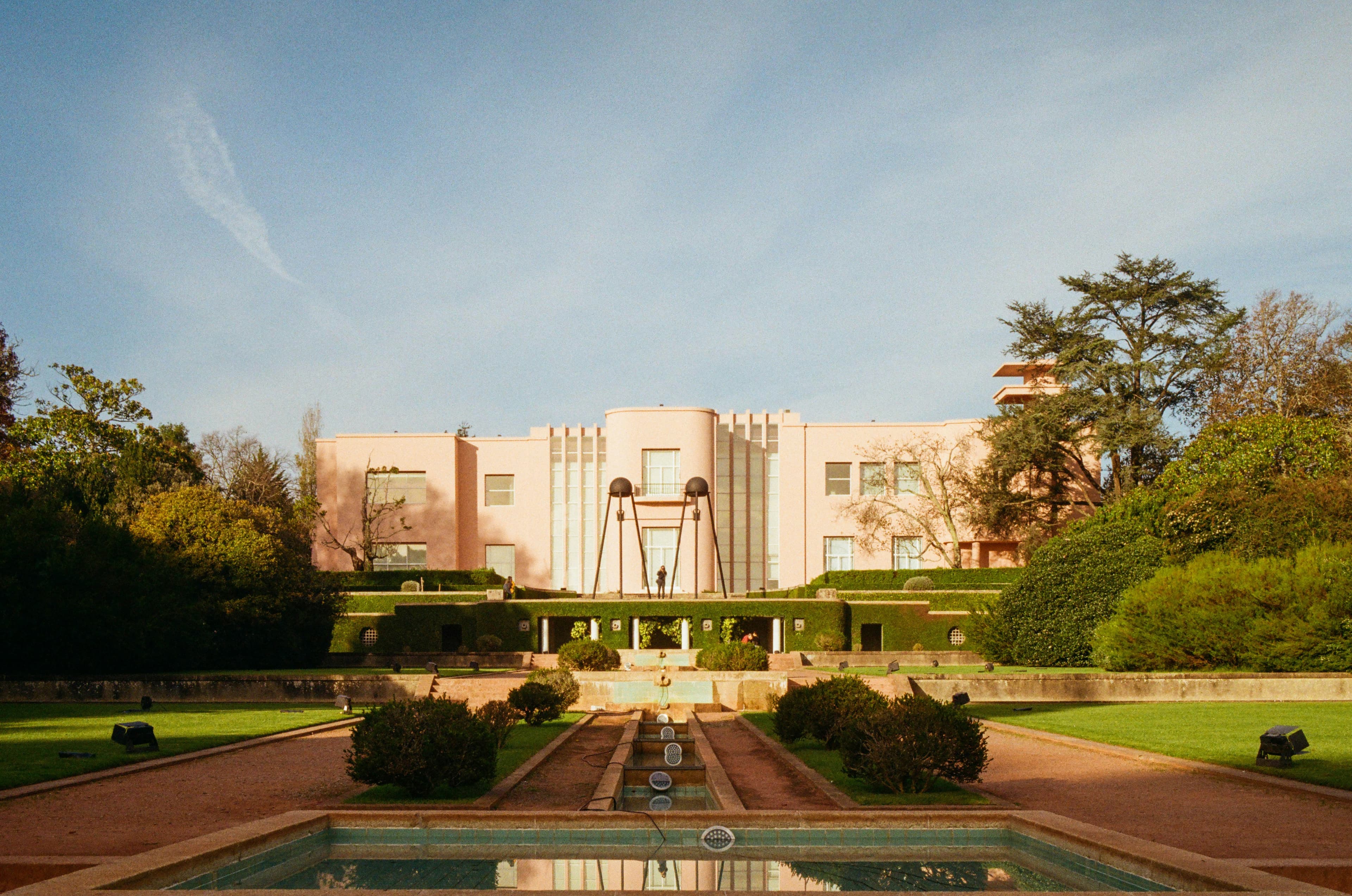
Just a few minutes from Porto’s busiest avenues lies a true sanctuary of contemporary art and nature: the Serralves Foundation. Less visited than other urban landmarks in the city, this unique complex combines modern architecture, a romantic garden, and (very) daring exhibitions. If you are looking for a cultural experience in a green setting, this place is well worth your attention !
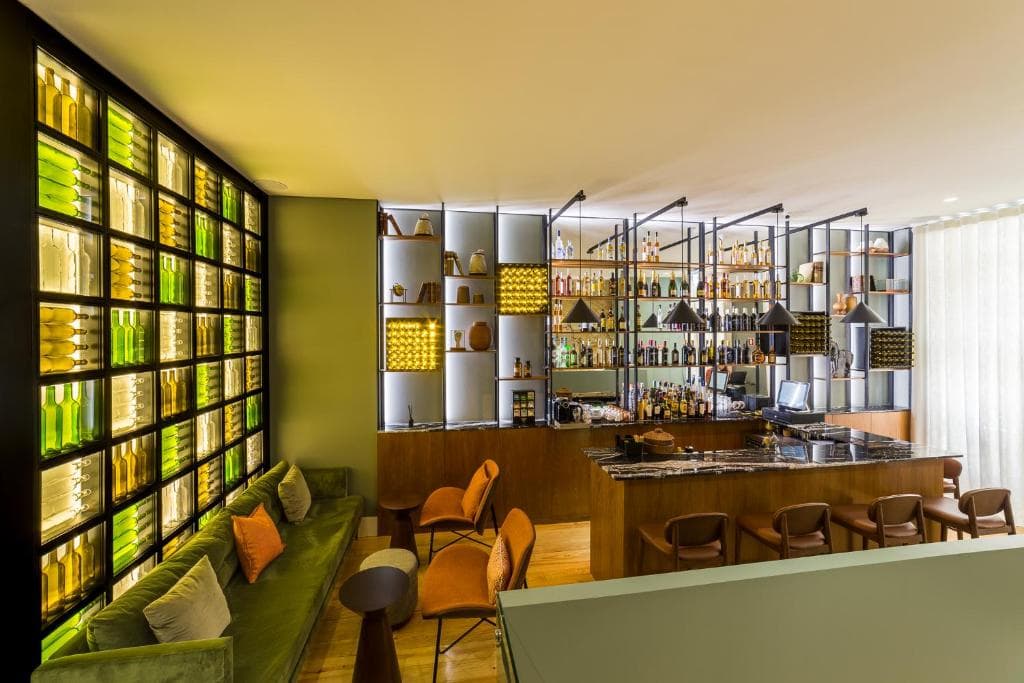
Cultural Fusion: When a Hotel Becomes an Art Gallery or Experimental Space
There is in Portugal a creative energy that never ceases to surprise — a rare ability to merge the old and the contemporary, tradition and modernity, without ever losing authenticity. In a country where culture has always been a lived experience rather than a concept, hotels are now becoming far more than places to stay: they are galleries, studios, and at times, living laboratories where art and life intertwine.
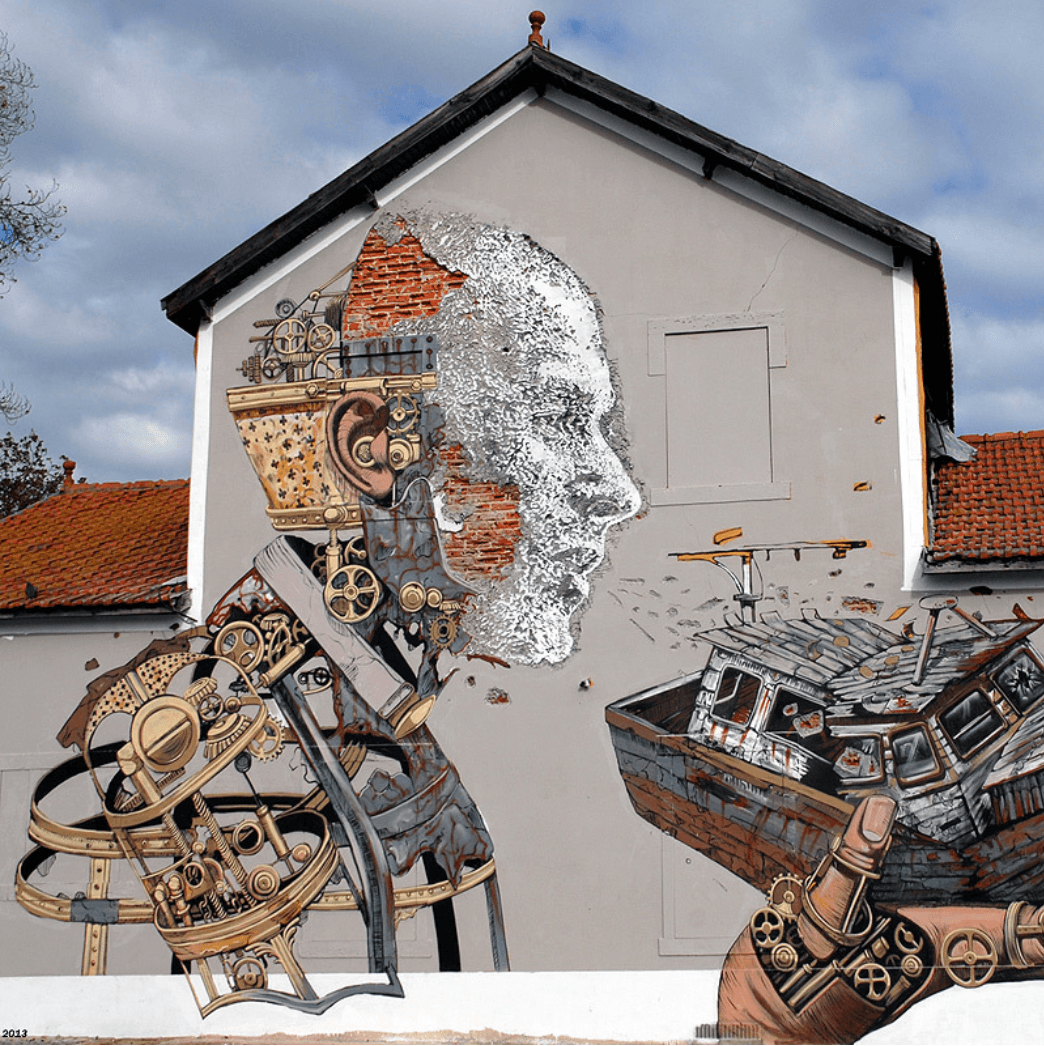
Street Art in Lisbon, the Colorful Capital
Lisbon is a city of contrasts. Its cobbled streets, baroque churches, and tiled façades tell a story that spans centuries. Yet alongside this historic setting, another visual language thrives: street art. In both working-class neighborhoods and popular city spots, Lisbon’s walls are covered with large-scale murals, subtle graffiti, and thought-provoking collages. Over the years, the Portuguese capital has become an international reference in urban art, earning its nickname as the “colorful capital.”