


Ecolã, Portugal’s Oldest Wool Blanket Factory
Discover Ecolã, Portugal’s oldest burel manufacturer, blending traditional craftsmanship with high-quality, contemporary design
Tucked away in the heart of the Serra da Estrela (more precisely, in Manteigas) Ecolã stands as a living symbol of Portugal’s rich textile heritage. Since its founding in 1925, this family-run company has beautifully combined tradition, ancestral craftsmanship and innovation, becoming the undisputed reference in burel production in Portugal.
But… what exactly is Burel?
Burel is a traditional Portuguese fabric, made from local wool, mainly from Bordaleira da Serra da Estrela sheep. It’s a thick, dense and naturally water-resistant material that was historically used to make the cloaks and outer garments worn by shepherds, ideal for protecting them from the cold, wind and rain. But burel is not only practical ; it’s also deeply aesthetic and cultural. Its raw texture, earthy tones (grey, black or brown) and authentic look make it a sought-after fabric for fashion, home décor and interior design. (It instantly adds that rustic yet sophisticated touch we all love.)
A story woven through generations
Ecolã was born at a time when burel production was essential to the life of shepherds in the Serra da Estrela region. This fabric has been used since the Middle Ages to make capes that offered protection from the mountain weather, and it still represents resilience and authenticity today. Founded in 1925, Ecolã is a certified artisanal production unit and proudly recognised as one of the oldest in the country. The company has remained in the hands of the Clara family since day one, passing its unique know-how from one generation to the next. Today, it is run by Joana Clara, great-granddaughter of the founder, alongside her father, João Clara de Assunção, who still plays an active role in the day-to-day operations, a true family business in every sense.
The art of making burel
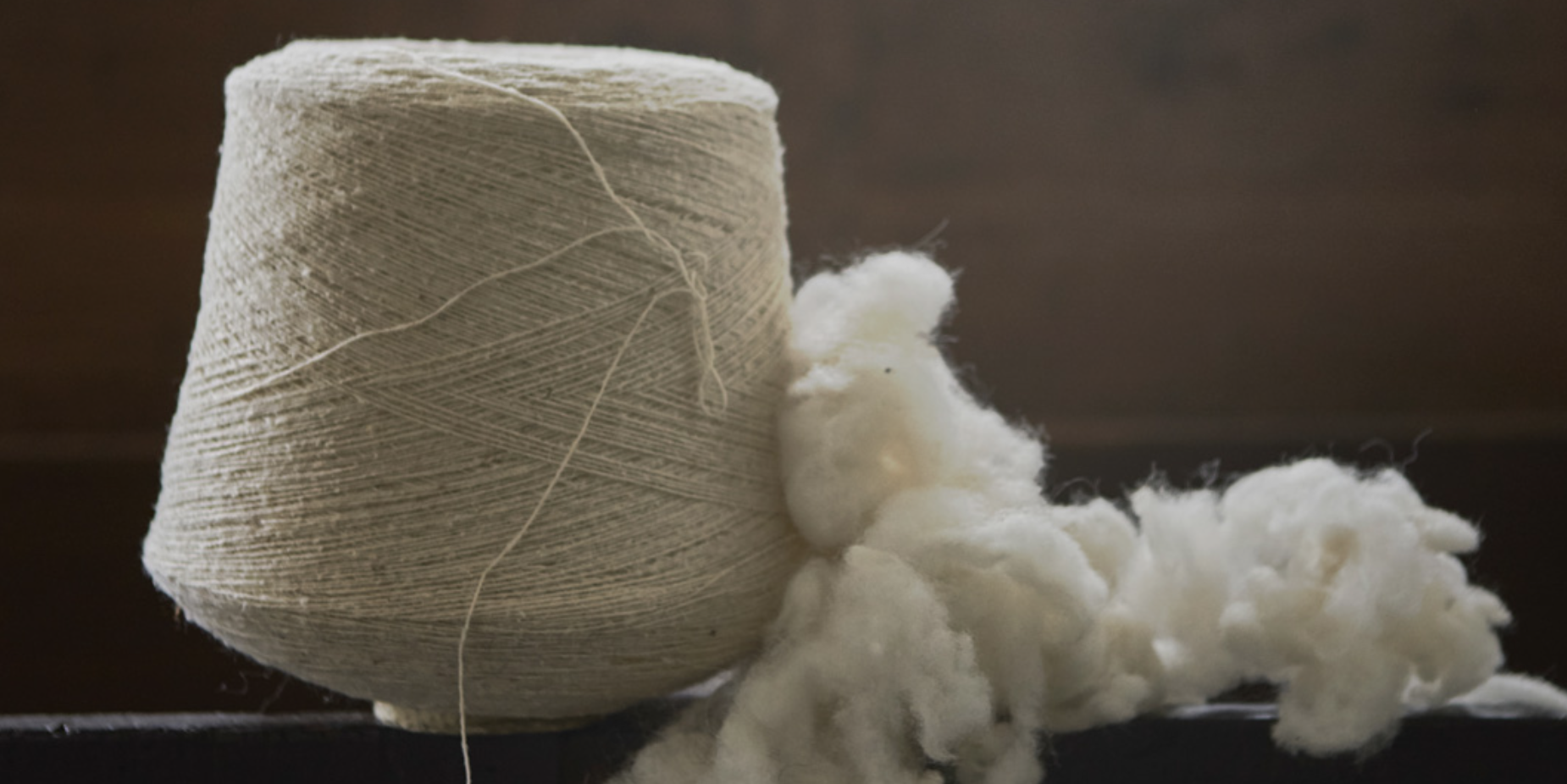
The burel-making process at Ecolã is nothing short of an art form (and let’s be honest, not everyone could master it). It begins with the careful selection of locally sourced wool (mostly in darker shades) from sheep raised in the surrounding mountains. Then comes a series of stages : carmeamento (unravelling), carding (cleaning and preparing), spinning, dobar (winding the yarn into balls), warping (setting the threads for weaving), and finally, weaving on vintage mechanical looms from the 1960s. Once woven, the burel goes through a fulling process, where the fabric is pounded with hot water, making it denser, more resistant and waterproof.
This gives burel its unique properties: excellent thermal and acoustic insulation and outstanding durability, perfect for enduring the chilly mountain climate.
© Ecola

Where tradition meets modern design
Ecolã offers a wide range of burel-made products, each one handcrafted with attention to detail and exceptional quality. The designs perfectly balance traditional aesthetics with contemporary lines, appealing to a modern, design-conscious audience. Among the brand’s best-sellers are its burel coats (the true icons of Ecolã) combining elegance and practicality. These pieces are particularly loved for their ability to keep you warm while remaining light, breathable and stylish.
Where to find Ecolã products
You can find Ecolã’s burel creations on their official website, as well as in a selection of physical stores and partner retailers across Portugal and abroad.
Main stores
- Manteigas : the brand’s historic headquarters (Bairro Amieiros Verdes, Manteigas), where the artisanal production still takes place.
- Lisbon : at the Embaixada Concept Store (Praça do Príncipe Real, 26, 1250-184 Lisboa), offering a beautifully curated range of contemporary burel pieces.
Partner retailers
Ecolã collaborates with several local retailers, such as Armazéns do Minho, Artesanato Duarte, Sabores Altaneiros and Shop in Porto, ensuring wider access to its products across the country.
International distribution
While its heart remains in Portugal, Ecolã’s reach now extends across borders. Its products are available in several European countries, as well as Japan and Australia, through online platforms and international retailers, proof of the growing global appreciation for Portuguese burel.
Visiting the factory
Visiting the Ecolã factory is a must if you find yourself in the Serra da Estrela. It’s an authentic experience, a journey into the world of wool, burel and artisanal craftsmanship.
Address : Bairro Amieiros Verdes, Manteigas
Opening hours : Guided tours from Monday to Friday, 9:00-11:30 AM and 2:00-4:30 PM ; on Saturdays, 10:00 AM–1:00 PM. Visits on Sundays and public holidays are available by reservation (booking i- advance by phone or email is highly recommended to ensure availability).
Price : around €5 per person
The experience : the tour takes you through the entire production process (from shearing the Bordaleira da Serra da Estrela sheep to the finished burel fabric) including fulling and weaving on traditional looms. Visitors can also explore the creative workshop where coats, bags, hats and blankets are made by hand. At the end of the visit, you can shop directly on-site and take home authentic, locally made products, a unique (and useful) souvenir from the mountains. You might even catch a special offer or discount, so don’t hesitate to ask ! It’s a complete immersion in Portuguese textile heritage, and a beautiful way to support a local business dedicated to preserving its craft and traditions.
A commitment to sustainability
Ecolã is proudly committed to sustainability, prioritising local raw materials and traditional manufacturing methods. This approach not only ensures product quality but also supports the environment and strengthens the regional economy. More than just a textile company, Ecolã is a living symbol of Portuguese craftsmanship and creativity, blending environmental respect, artisanal excellence and innovation. It continues to carry the spirit of the Serra da Estrela across the world, offering timeless products that tell a story of heritage, passion and enduring quality.
JDA
Share this article
Suggested articles
Meeting the Leather and Wood Artisans of Portugal
Portugal is a country where craftsmanship is far more than a profession: it is a true tradition, passed down from generation to generation ! Among its most emblematic skills, leather and woodwork stand out strongly.
Filigree Art, Portuguese Gold and Silver Jewellery
Portugal boasts a rich artisanal heritage, and among its treasures, filigree art shines for its finesse, delicacy, and timeless elegance ! Filigree is an ancestral jewellery technique that involves working gold or silver into extremely fine threads to create intricate patterns.
Traditional Pottery of Estremoz
The town of Estremoz, situated in the heart of Alentejo, is renowned for much more than its castles and striking white marble! It is home to an ancient craft: traditional pottery. This millennia-old art, passed down through generations, reflects the history, creativity, and expertise of local artisans.
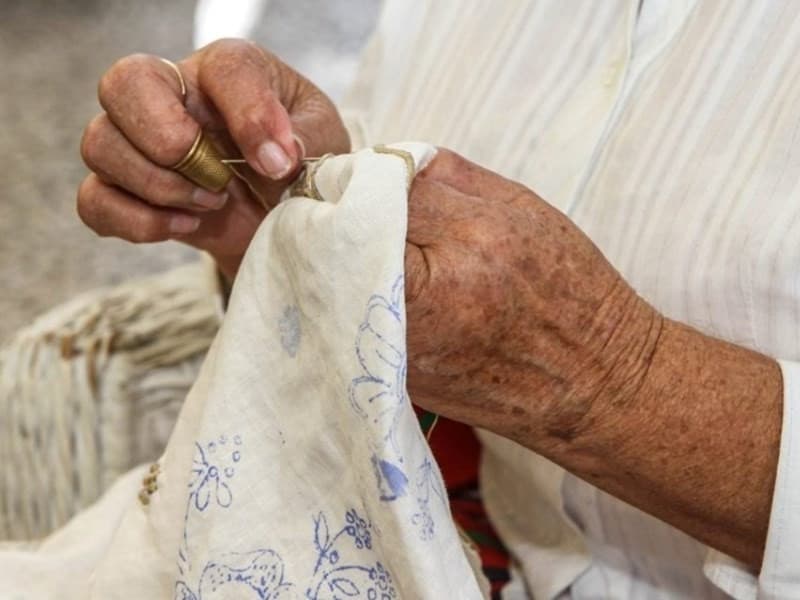
Madeira Embroidery and Viana Lace – A Preserved Craft
Portugal is full of artisanal traditions that reflect its rich cultural heritage and the skills passed down through generations. Among these treasures, two techniques stand out for their delicacy, beauty, and let’s be honest, their poetic charm: Madeira embroidery and Viana lace.
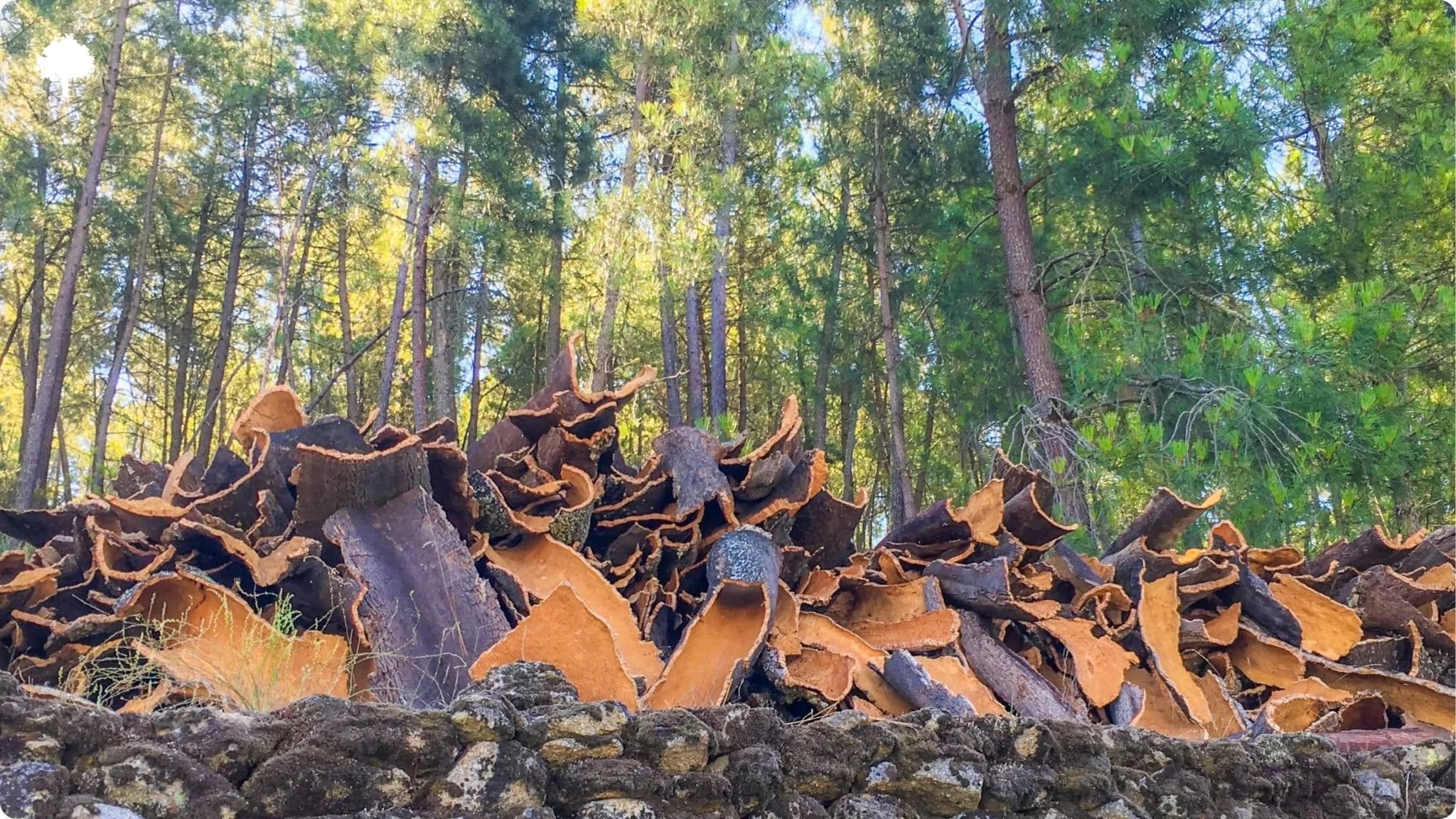
Cork, a National Treasure
Cork is not just a material ; it is a true natural and cultural treasure of Portugal ! A symbol of sustainability, ingenuity, and refined craftsmanship, it lies at the heart of national identity and features in our homes in both traditional and modern forms (especially among the Portuguese).
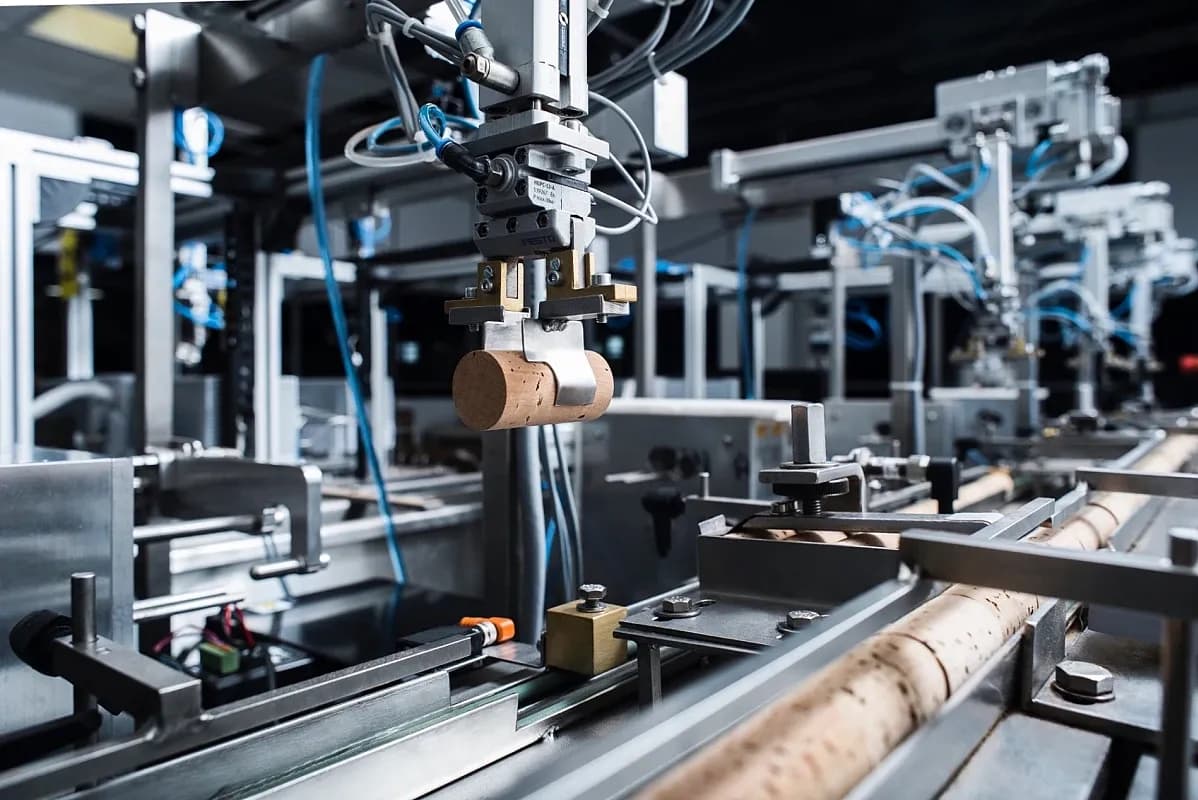
Amorim, Global Leader in Cork, From Wine Stoppers to Design
In the world of sustainable luxury, few brands manage to combine tradition, innovation, and environmental respect as elegantly as Corticeira Amorim! Founded in 1870 in Vila Nova de Gaia (just a few kilometers from Porto), this Portuguese family business is now the global leader in cork processing ; a noble, natural, and 100% recyclable material.