
Porto, on the evening of June 24… The air smells of grilled sardines, colorful garlands dance in the wind, and a strange noise echoes through the narrow streets: clack, clack, clack. No, it’s not a nighttime construction site, but thousands of plastic hammers joyfully tapping consenting heads. Welcome to the Feast of São João, one of the most anticipated events of the year in Portugal and without a doubt, the happiest chaos you’ll ever experience !
A popular celebration, not a postcard
You might think it’s a piece of frozen folklore, one of those traditions kept alive mostly for tourists. Wrong.
The Feast of São João in Porto is nothing like a staged show for Instagram: it’s a living, noisy, slightly chaotic, and above all, deeply popular celebration. It’s the moment when the city lets loose, when the Portuenses (that’s what the inhabitants of Porto are called) forget the seriousness of daily life for a few days of pure collective joy and rightfully so !
Though it has been celebrated for centuries (records go back as far as the 14th century), it hasn’t lost an ounce of its freshness. In Porto, they don’t say “we’re going to São João” ; they say “we’re doing São João,” as in truly celebrating it.
The hammer ritual (and a few bumps, sometimes)
Let’s talk about those famous plastic hammers. Their origin ? A somewhat hazy story, halfway between a clever marketing idea and Portuguese mischief.
At first, people used to gently hit each other with… bouquets of leeks, symbols of fertility and good health. Then, in the 1960s, a toy manufacturer from Porto supposedly came up with the idea of replacing the leek with a colorful plastic hammer equipped with a whistle. Instant success: the object became iconic—kids loved it, adults too (well, except for the whistle) and ever since then, clack clack clack, that’s the sound of Porto in celebration.
During the night of June 23rd to 24th, everyone joins in. Couples go at it gleefully, friends playfully tease each other, and even strangers exchange friendly taps on the head it’s the only day of the year when that’s socially acceptable ! A bit like Carnival, but with more sardines, more francesinhas, and fewer feathers.
Sardines, the queens of the grill
Ah, grilled sardines… If there were a single smell that could sum up Portugal in the summer, that would be it.

During São João, there’s no escaping it: the streets of the Ribeira district and the hills of Gaia turn into a massive open-air barbecue. Everywhere you look, there are grills, makeshift tables, bottles of chilled vinho verde, and entire families grilling, singing, and laughing. In fact, if you wander through the Fontainhas neighborhood, you might even be invited into someone’s home to taste the sardines (just like in the old days and believe me, it brings people together!). Sardines are eaten on a slice of bread, sometimes standing, often with fingers dripping in oil and hearts full of joy. Simple, friendly, and unpretentious… just like Porto itself.
Lanterns, bonfires, and suspended wishes
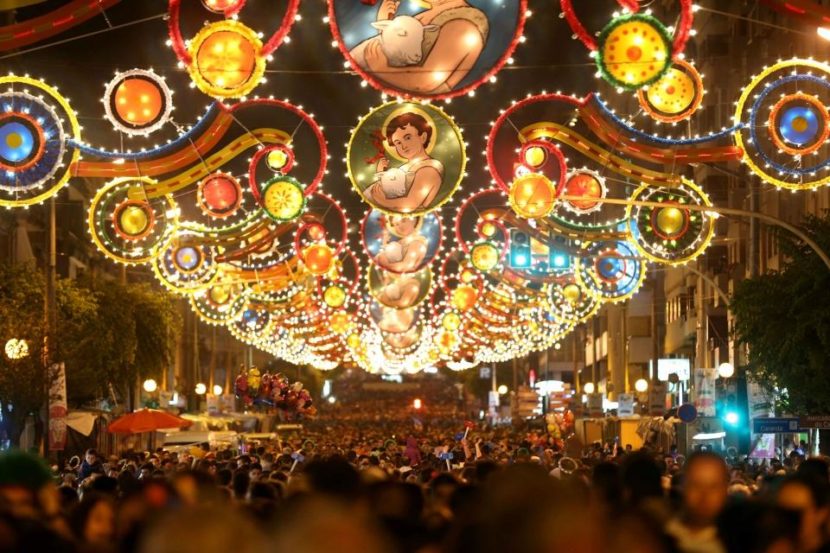
On São João night, Porto lights up. Multicolored paper lanterns float overhead, strung between buildings. Some are handmade, others made of thin paper ready to drift into the night sky.
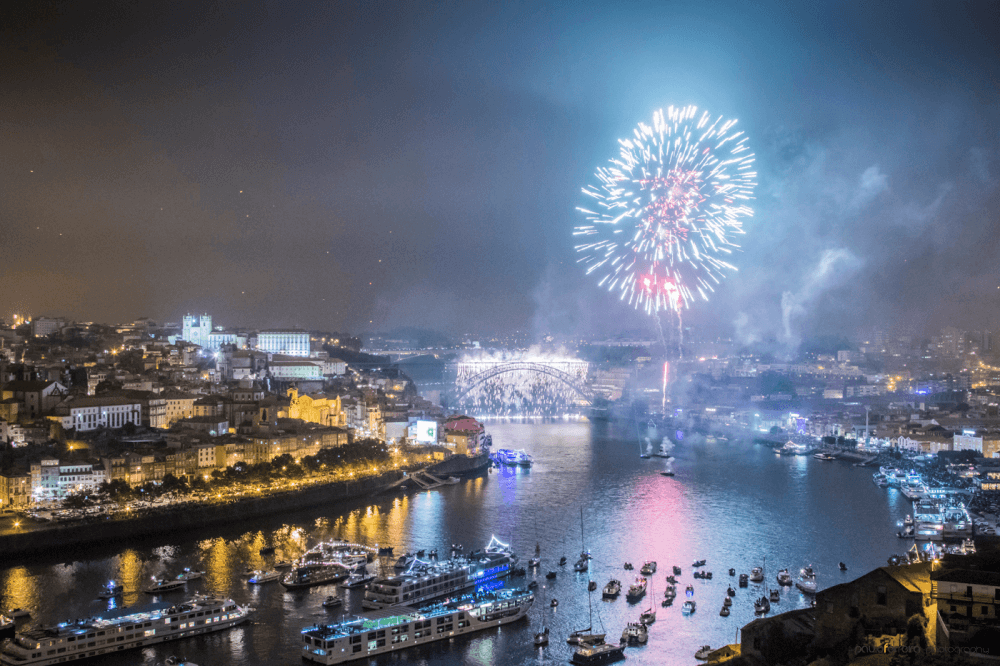
Around midnight, before the fireworks begin (yes, there’s everything!), tradition has it that people release paper lanterns into the stars, whispering a secret wish as they do. The sight is magical: hundreds of glowing dots rising into the dark sky, like an ephemeral constellation born from the celebration. And if you’re standing on the D. Infante Bridge during this moment, the view is breathtaking, a spectacle you won’t forget !
On the beaches and squares, bonfires are also lit. The bravest (or most daring) jump over the flames three times to ward off bad luck and attract good fortune. It’s an ancient ritual, inherited from the pagan solstice festivals that celebrated light and fertility. Even today, the spirit remains the same: a mix of superstition, pure joy, and a little touch of madness.
A sleepless night
São João is also a test for light sleepers because here, nobody sleeps !
The festivities begin in the late afternoon of June 23rd and continue until sunrise. Free concerts pop up all over the city, bars spill out into the streets, and the narrow alleys vibrate with marchas populares and impromptu DJs. At exactly midnight, the sky explodes : a spectacular fireworks display lights up over the Douro River, between the Dom Luís I Bridge and the quays of Ribeira and Vila Nova de Gaia. It’s THE moment everyone in Porto waits for. Thousands of heads tilted upward, a second of silence, then a roar of applause and cheers. The fire reflects on the water, church bells ring, and for a moment, everything feels suspended in time.
Then the music starts again, even louder. The whole city dances, laughs, toasts, and embraces. Around 5 or 6 a.m., the most resilient end the night on Matosinhos beach, feet in the sand, watching the sunrise. And there, between two yawns, you realize you’ve just experienced something unique (and that’s no exaggeration).
© visiterporto
A celebration of yesterday and today
What makes São João so beautiful is its balance between tradition and modernity. The older generations still decorate their balconies with carnations and basil plants (manjericos), those small aromatic herbs given to loved ones along with a poem. The younger crowd adds their own twist : wild playlists, street food, instant photos shared on social media. But at its core, the spirit of the festival remains the same: celebrating life together.
No need for fancy decorations, official programs, or invitations, during São João, everyone’s invited. Maybe that’s why it’s stood the test of time so well.
A word to the wise (or two)
If you’re planning to experience São João in Porto, here are a few useful tips :
- Comfortable shoes : you’ll be walking, dancing, jumping, and probably chasing after friends lost in the crowd (and let’s face it, Porto’s streets are anything but flat!).
- Patience and good humor : the whole city takes to the streets, so don’t try to control everything, just go with the flow.
- A plastic hammer: without it, you’re an easy target. Better to strike than be struck! (gently, of course…)
- And most importantly, your appetite : between sardines, bifanas, stuffed breads, and glasses of vinho verde, your stomach will be dancing too.
Bonus tip : if you want to do it like a true Portuense, end the night along the banks of the Douro, watching the sun rise behind the bridges. It’s a suspended, almost poetic moment, when the city slowly falls asleep after its most beautiful night of the year.
São João is more than just a party
It’s a declaration of love to Porto. A hymn to simplicity, conviviality, and that very Portuguese way of celebrating without luxury or excess, but with a wide-open heart. Here, no one pretends: locals, tourists, children, grandparents, everyone laughs, shares, gets splashed (sometimes literally), and forgets the rest. Every year, at the end of June, Porto turns into one big family. A family that’s a little noisy, a little chaotic, but wonderfully alive.
And when, in the early morning, the last lantern fades and the hammers fall silent, there’s this sweet feeling left behind: the feeling of having been part of something real. So, if you’ve never celebrated São João in Porto, add it to your list, it’s truly worth it.
Not just for the fireworks or the sardines, but to feel, for one unforgettable night, that human warmth that makes Portugal much more than a destination: it’s an emotion.
Share this article
Suggested articles
Boom Festival : Trance, Ecology & Good Vibes in the Heart of Portugal
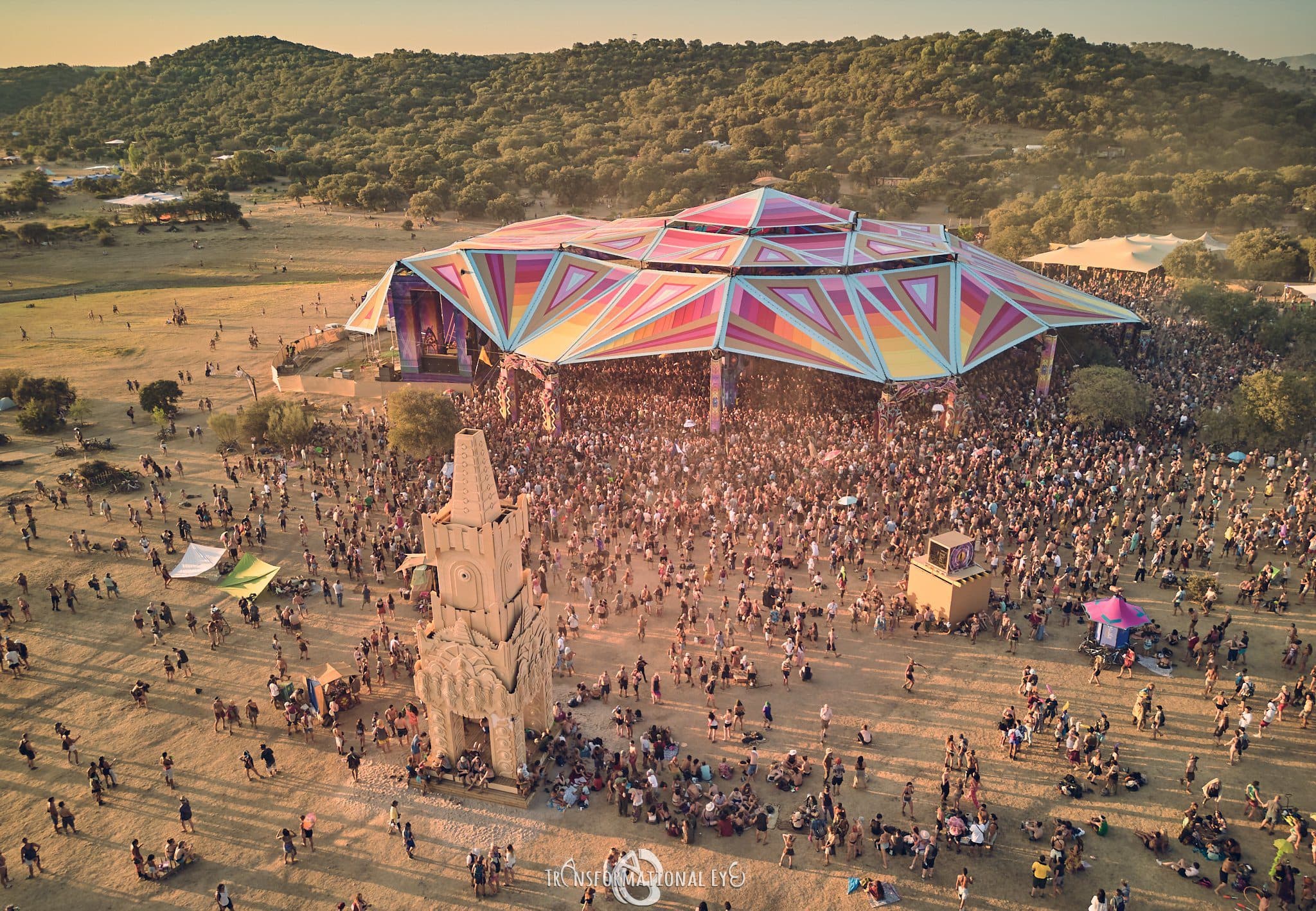
Picture this : it’s summer, you’re by a Portuguese lake, hair blowing in the breeze, feet bare in the grass (yes, go on, get comfy!). Around you, thousands of people from all over the world have gathered to dance to the rhythm of psy-trance but also (and above all) to celebrate a shared commitment : living the festival spirit while respecting the planet. Welcome to Boom Festival !
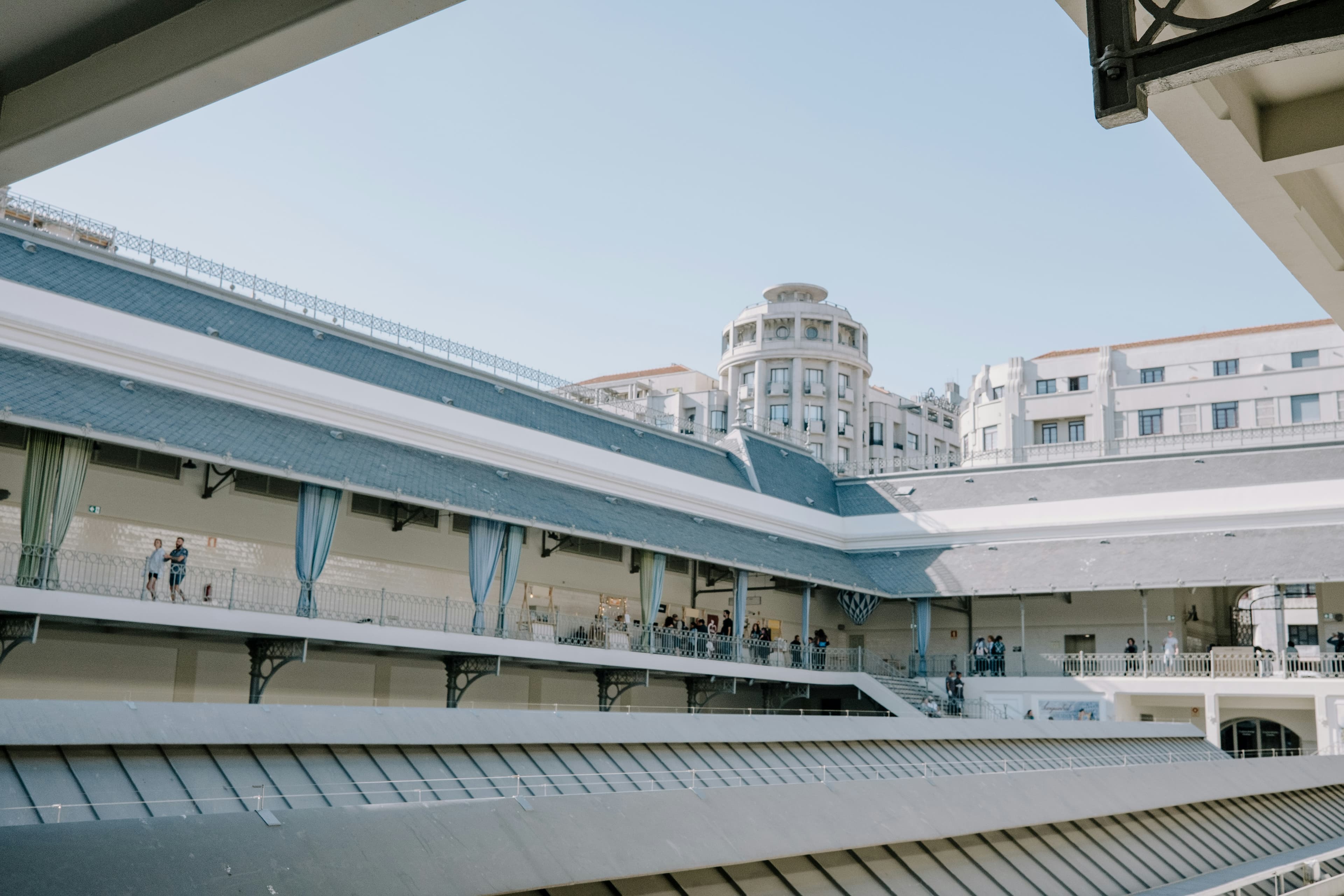
Bolhão Market, The Heart of Porto’s Popular Life
In the heart of Porto’s historic centre, the iconic “Mercado do Bolhão” stands as one of the city’s living symbols. Opened in 1914, it has recently undergone renovation to preserve its authenticity while adapting to contemporary needs.
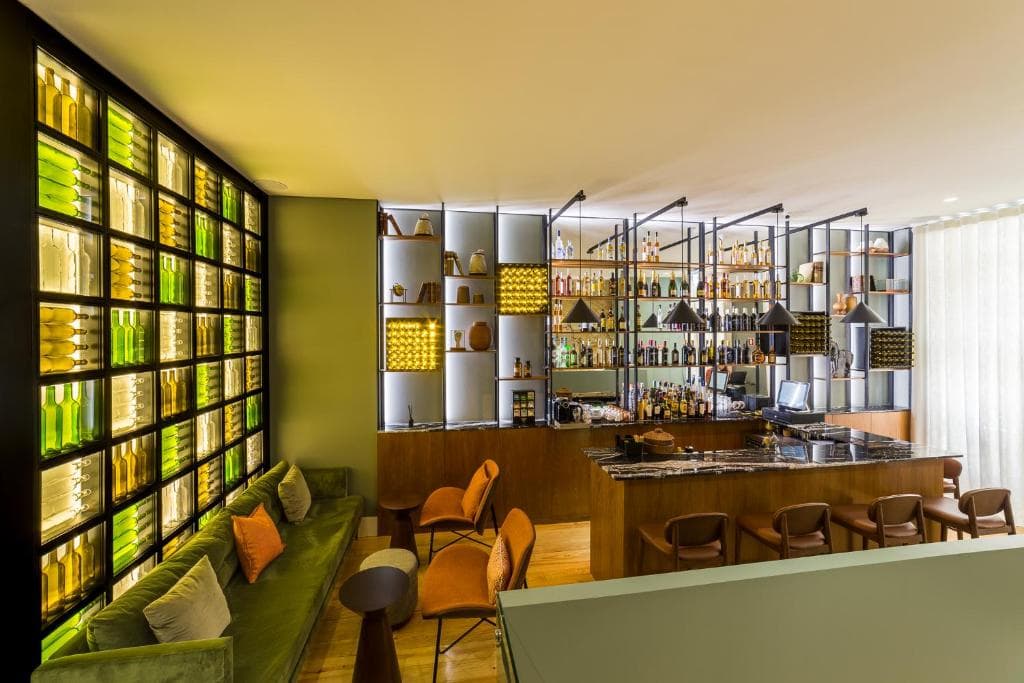
Cultural Fusion: When a Hotel Becomes an Art Gallery or Experimental Space
There is in Portugal a creative energy that never ceases to surprise — a rare ability to merge the old and the contemporary, tradition and modernity, without ever losing authenticity. In a country where culture has always been a lived experience rather than a concept, hotels are now becoming far more than places to stay: they are galleries, studios, and at times, living laboratories where art and life intertwine.
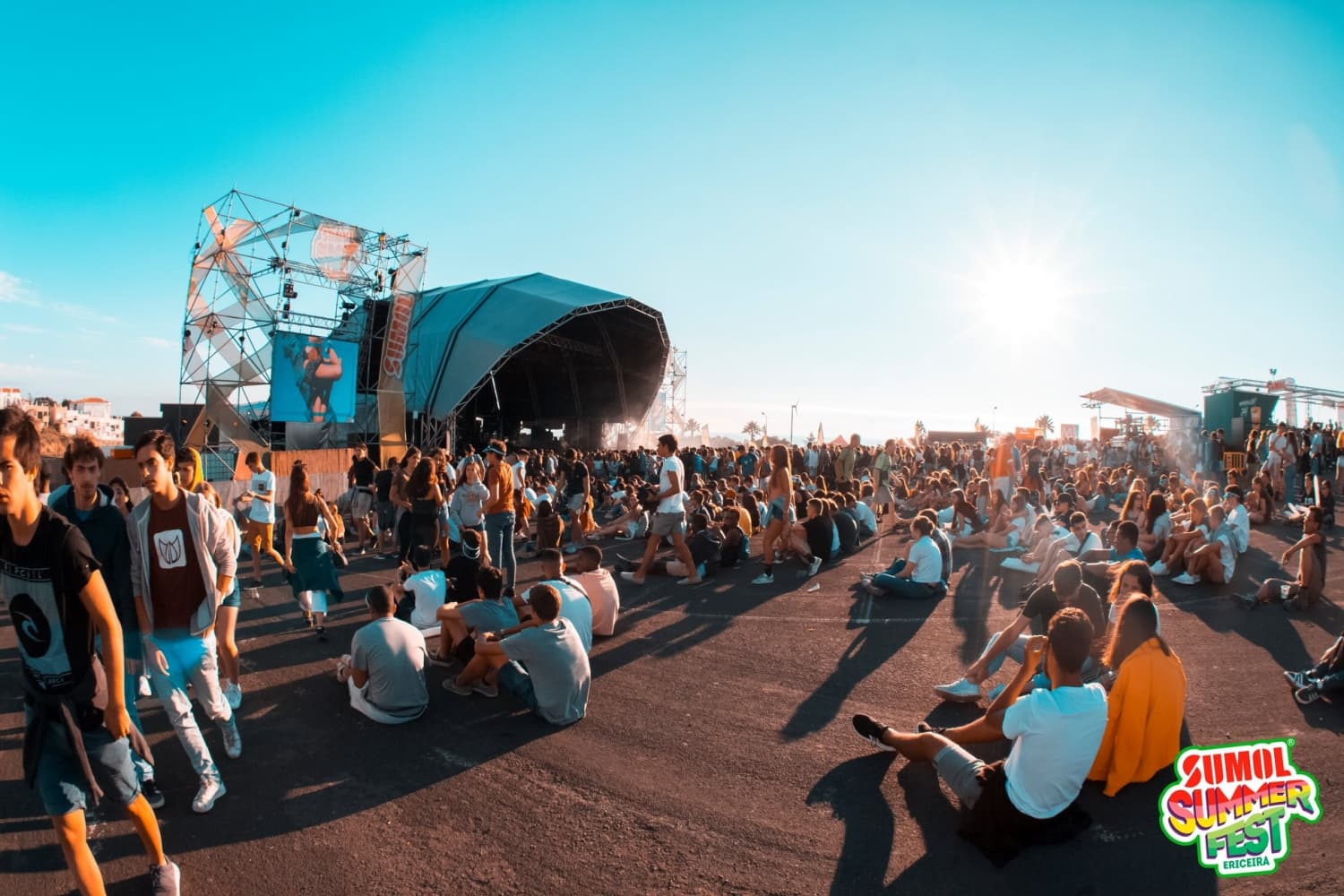
The biggest music festivals in Portugal
Have you ever felt that rush of adrenaline when the sun starts to set and the first notes echo through a packed crowd ? That’s exactly the spirit of a Portuguese festival. With my comfy sneakers, notebook, and phone in hand, I’m taking you on a tour of Portugal’s must-see summer music events ! And yes, I’ve been there, I’ve danced, I’ve taken photos (and yes, my feet hurt a little, but it was worth it).
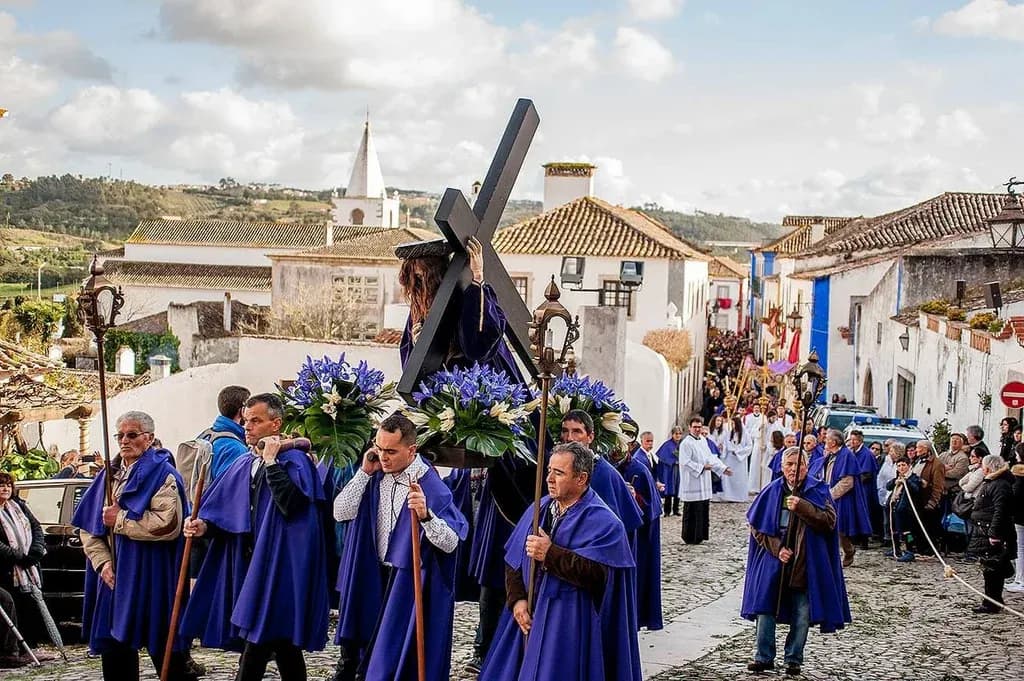
Religious processions, a Portugal between fervour and folklore
In Portugal, faith does not hide. It is sung, sometimes danced, adorned with flowers and light. It even flows down into the streets, to the sound of bells and drums, carried by entire generations. Whether you are a believer, a simple onlooker or a lover of shared emotions, attending a religious procession in Portugal means diving into one of the most profound and authentic aspects of Portuguese culture! Between fervour, tradition and popular spectacle, these parades reveal the soul of a country where spirituality often rhymes with conviviality.
Flower festivals and island folklore in Madeira
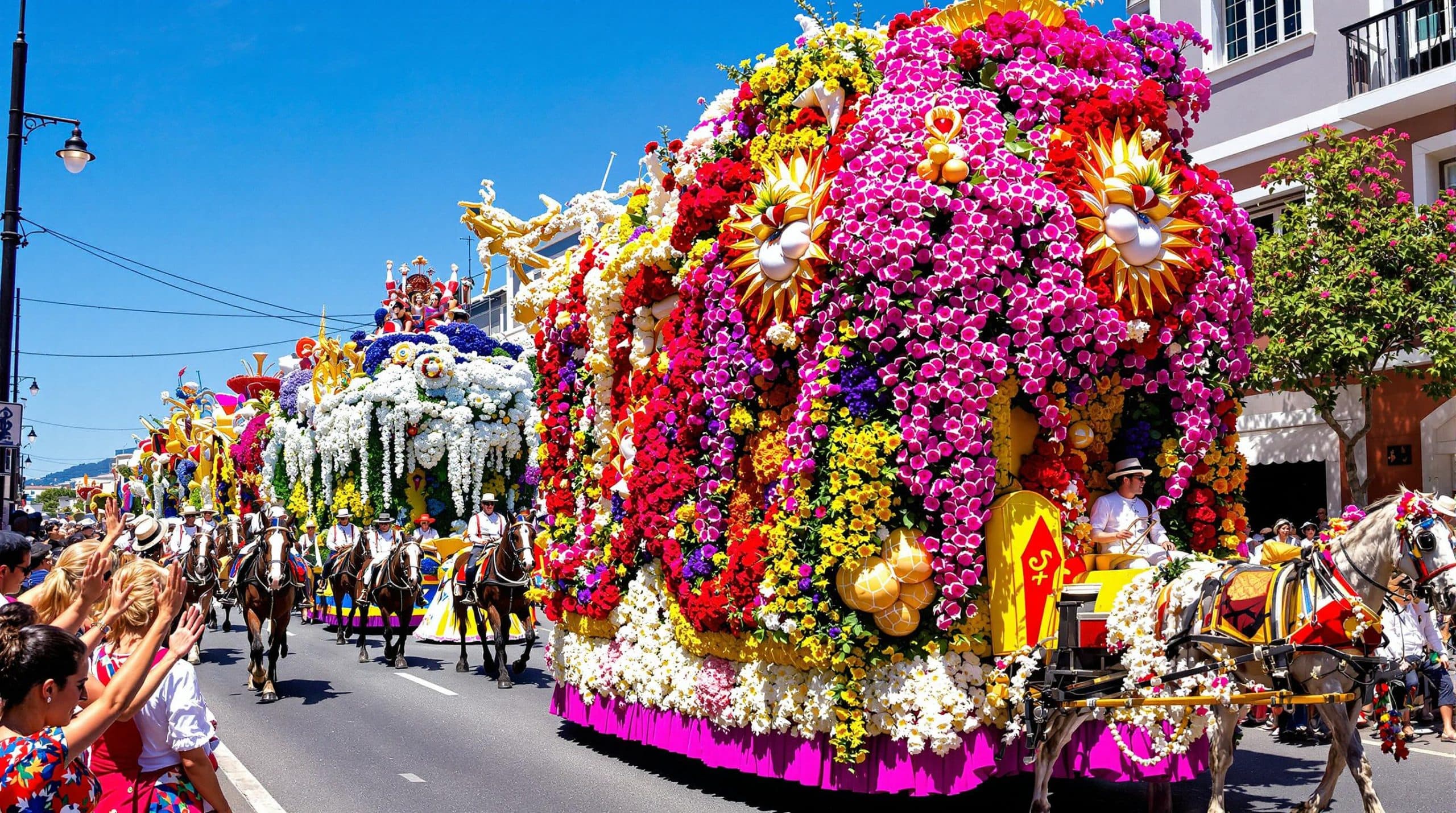
The “island of flowers” is not only famous for its spectacular volcanic landscapes and lush gardens! Every spring, the administrative capital, Funchal, transforms into a vibrant, colourful showcase thanks to the flower festival ! This event celebrates nature, creativity and local traditions, and it would not be complete without the island’s folklore, which accompanies every parade, dance and performance!