
The new wave of Portuguese singers
When Portugal reinvents its voice: from Lisbon’s alleyways to the international stage
Portugal is going through a vibrant musical moment. If you thought you already knew all the voices from the country, think again: a new generation of singers is making its mark right now with refreshing energy, blending traditional roots with modern boldness.
In a country that has already produced legends like Amália Rodrigues or António Variações (who, notably, fused pop, new wave and Portuguese rhythms around the early 1980s) this current generation holds both the flame of tradition and a gaze fixed on the future.
A mix of past and future
There is something fascinating about how, in areas like Alfama or Mouraria in Lisbon, traditional music such as fado coexists with electronic beats, hip-hop, afro-beat or pop. As one journalist put it: “Portugal’s contemporary music scene is vital and eclectic.” Thus, these new artists are not rejecting the past: they’re integrating it.

Names to watch
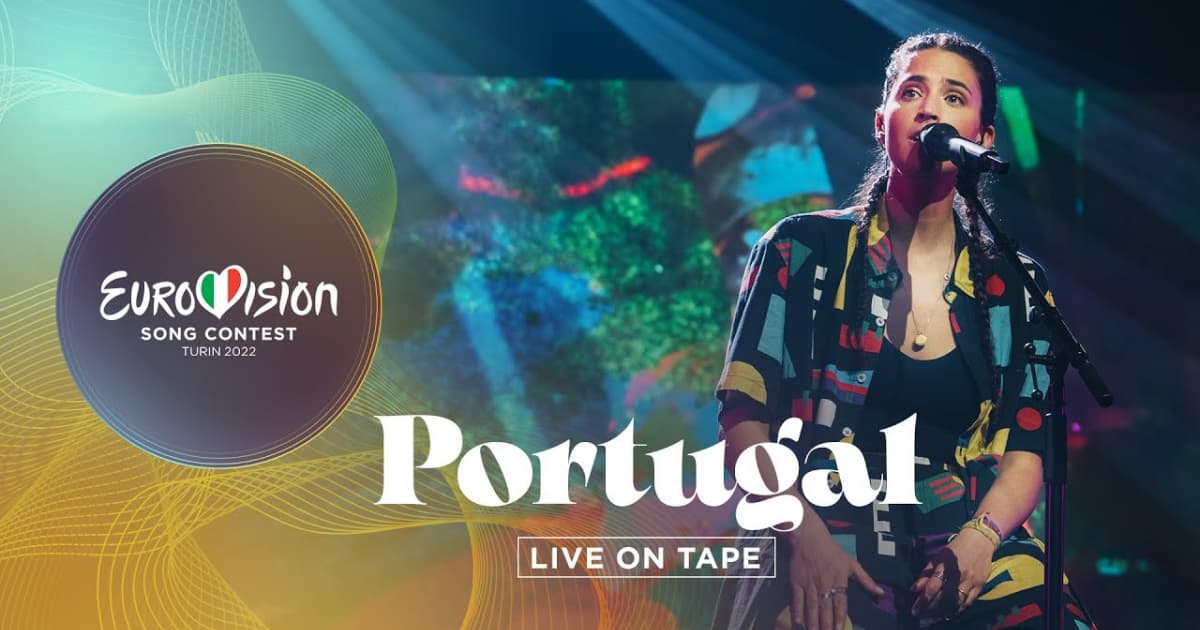
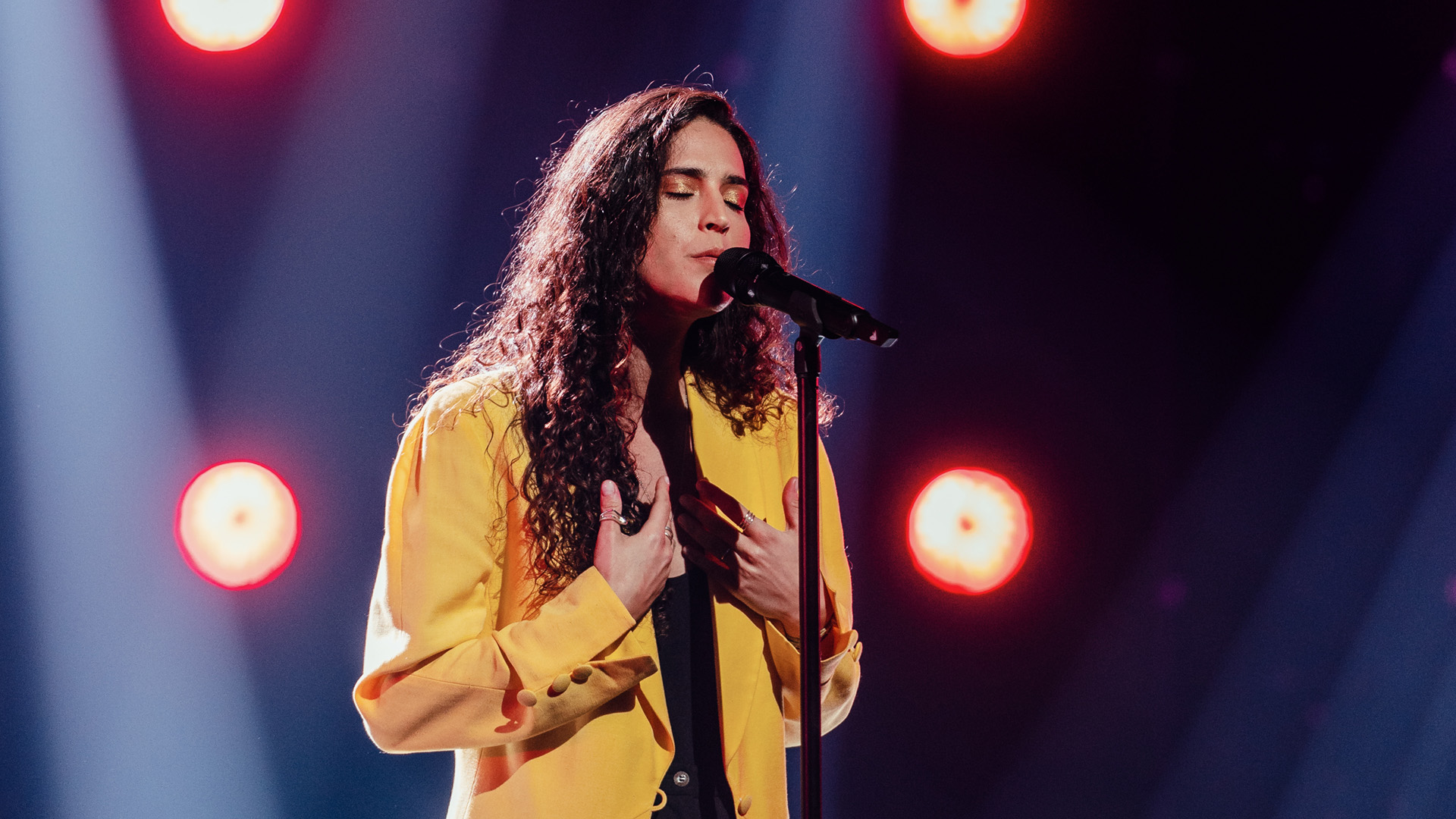
Take MARO, for example: at 29 years old, she’s building international visibility with a soulful voice and meaningful lyrics. Or emerging star Bárbara Bandeira, named among Portugal’s most streamed pop artists. Every album or single seems to open a new chapter: reinvented fado, bilingual pop, urban and diasporic influences.
Why it works
Portugal benefits from several strengths: a melodious language, a crossroads between Europe, Africa and Latin America, and artists daring to step away from pure folklore to explore new territories. Genre-blending creates unexpected combinations: from fado to afro-beat, Portuguese guitar to rhythm machines. All delivered with a sense of humanity you can feel.
Cultural impact
Beyond chart positions, this “new wave” carries an important identity dimension. It explores Portuguese memory, modernity, the link with the Lusophone diaspora. It also invites an international audience to listen. Because when one thinks “Portuguese music” nowadays, one doesn’t only think of guitar and longing. This generation shows Portugal can sing the world.
In conclusion
As a web developer, entrepreneur or simply curious reader, here’s one thing to keep in mind: following the Portuguese music scene today isn’t about looking backward, it’s about boarding a very contemporary journey. The voices are there. They’re fresh. They’ve got character. So listen to them, share them, and let yourself be surprised by the vitality of a country singing loud.
Share this article
Suggested articles
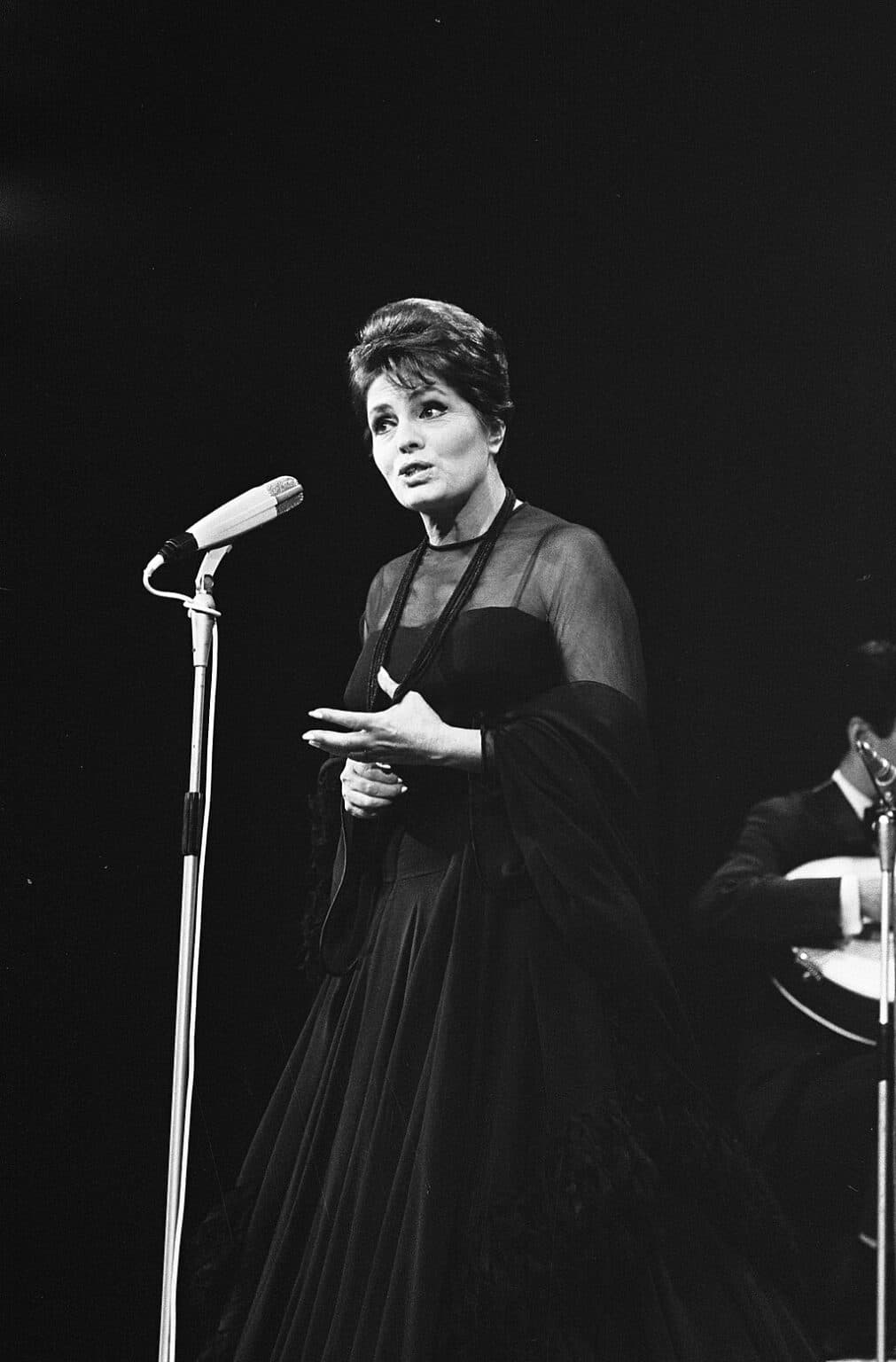
Amália Rodrigues, the diva who made fado shine across the world
Some artists do not just sing; they embody emotion, history and identity. Amália Rodrigues was one of those rare souls. Born in 1920 in Lisbon’s Mouraria district, she grew up among street vendors, laughter and hardship. There, she discovered fado, the music of love, loss and longing.
International Tours Stopping in Lisbon
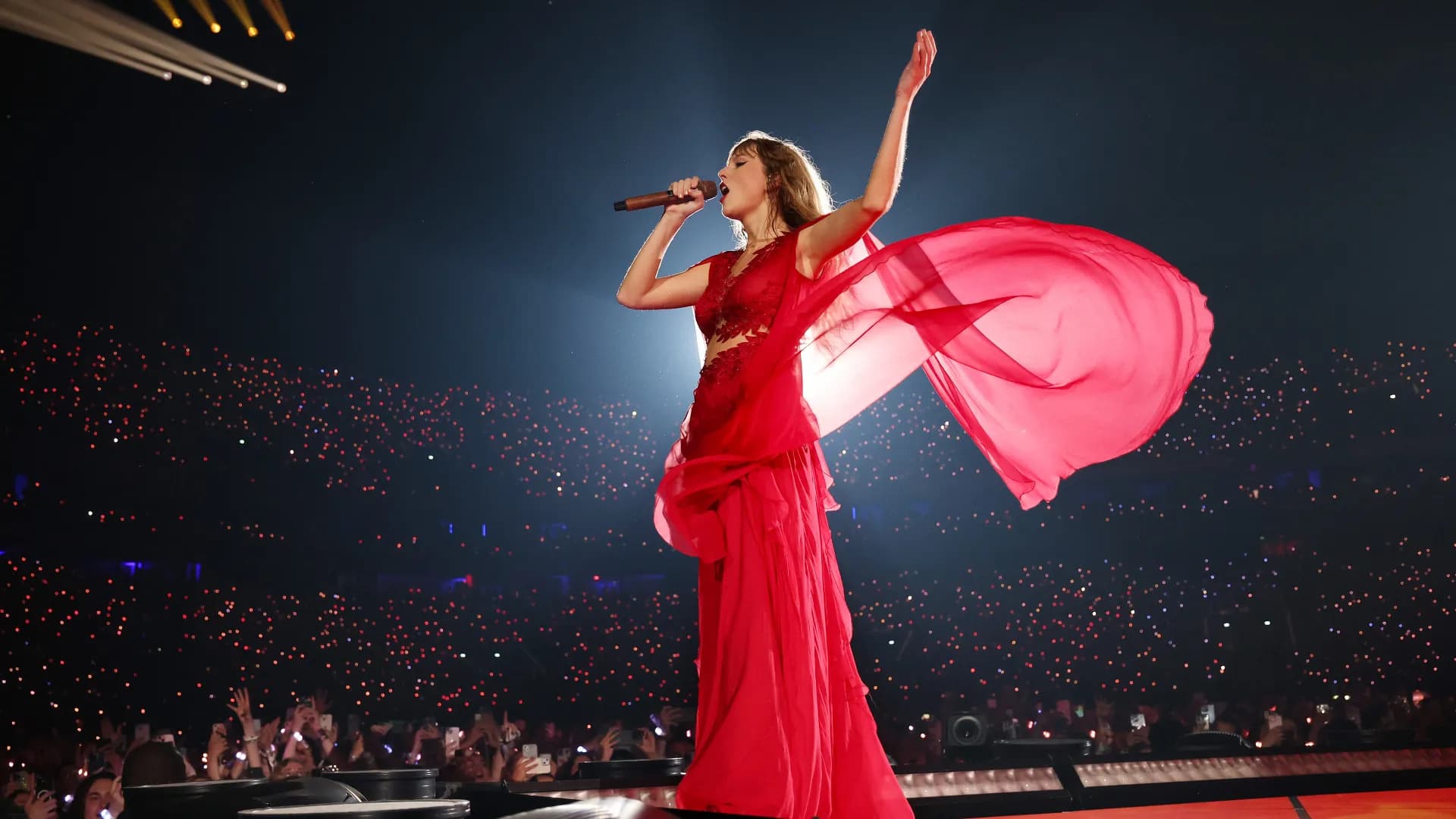
Not so long ago, most world tours stopped in Madrid, Paris or London, and Lisbon was often overlooked. Now, the city has become one of Europe’s most exciting musical destinations. From Coldplay to Madonna, from Harry Styles to The Weeknd, the biggest names are filling Lisbon’s arenas and stadiums.
Where to Listen to Authentic Fado in Lisbon and Porto
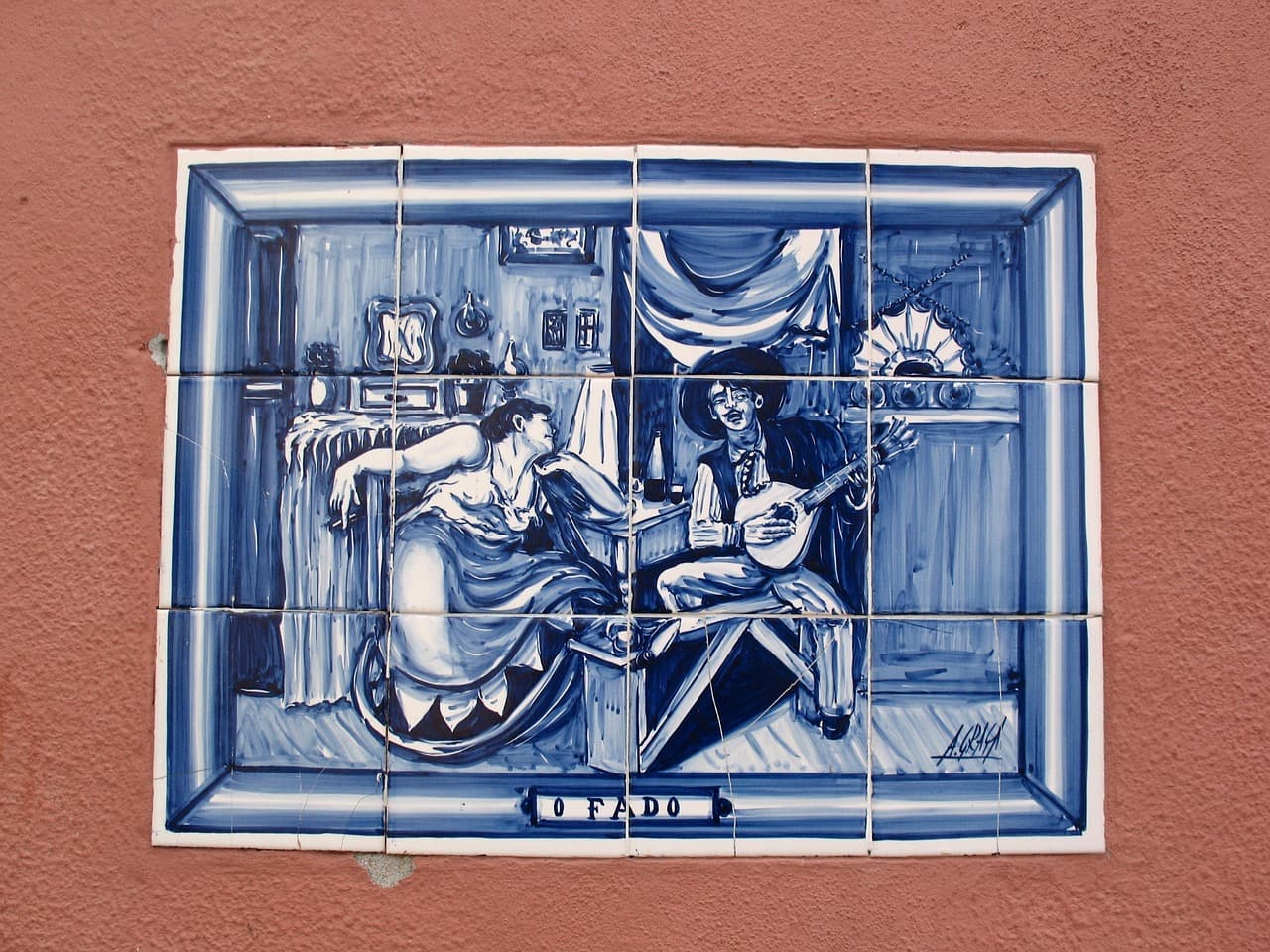
Fado, inscribed in 2011 by UNESCO as part of the Intangible Cultural Heritage of Humanity, is much more than a simple musical genre: it is an expression of the Portuguese soul. This deep, emotional singing, accompanied by the Portuguese guitar and classical guitar, conveys saudade — that unique blend of nostalgia, melancholy, and hope that so perfectly defines the Portuguese spirit.
Carminho, Mariza and the new wave of contemporary fado
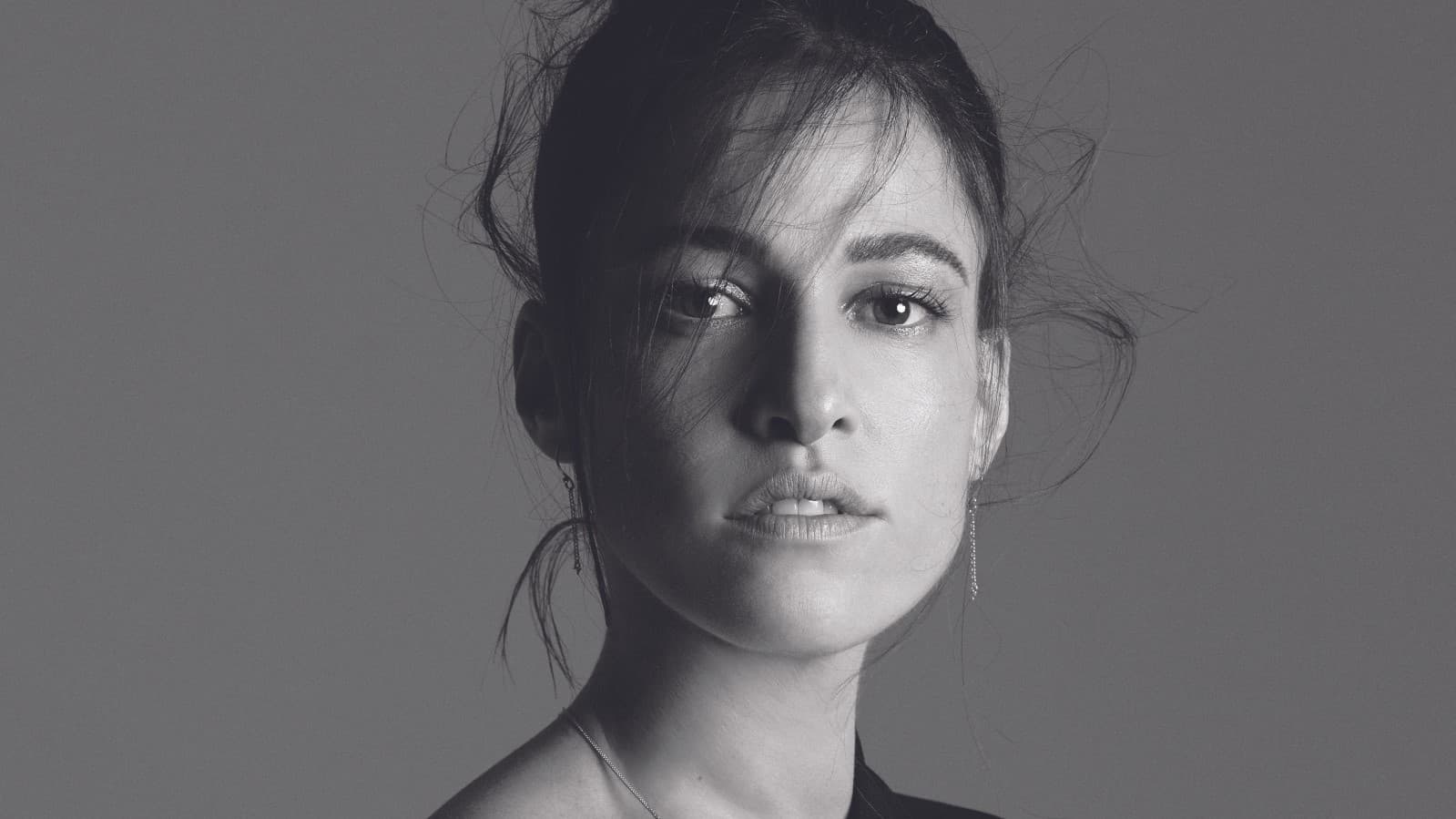
If you thought fado was confined to the old neighbourhoods of Lisbon, dim lights, and voices soaked in nostalgia, think again : today, it’s taking a whole new turn. It dares, it creates, it blends genres and two names are leading the movement : Carminho and Mariza. Two voices, two paths, but one shared mission : to keep fado alive, to respect it, while making it contemporary (yes, it’s possible !)